
Save to...
Inside the Offices of Billion Dollar Startups
So much attention is given to valuations of hot companies that it’s sometimes hard to remember that just a few years ago, all of these were just a fragment of someone’s imagination. So we thought it would be fun to check in on them and see: what do you do when you’ve outgrown your digs and need to get yourself some real offices? And what do the best modern offices share in common? Here’s what we found out.
They definitely don’t look the way they did in the 50’s …

… or even what they looked like in the 90’s:

Today’s offices are much more open, with space for both focused work and collaborative areas. They feel like playrooms, and they’re filled with all the best comforts from home, like sofas, rugs, pillows, and fully outfitted kitchens.
Designed by Studios Architecture and housed in the New York’s Empire State Building, Shutterstock’s loft-like offices include plenty of comfortable seating and small breakout rooms.

If Airbnb’s San Francisco headquarters feel like home, it’s because it include replicas of popular listings in Bali, Rykjavik, and Paris.
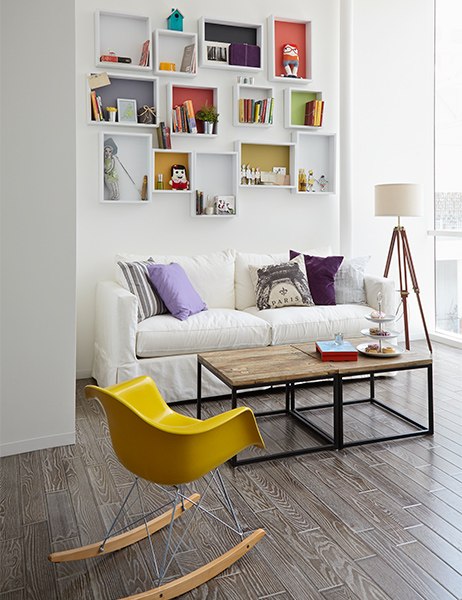
Although very high-tech, Uber’s San Francisco offices feature lots of natural materials, soft rugs, and comfortable communal seating.

Jessica Alba’s The Honest Company is a powerhouse manufacturer of non-toxic products, but their headquarters are anything but industrial. They are full of natural light, playfulness (notice the wall of positive mantras in the background), and ready for any babies who visit.
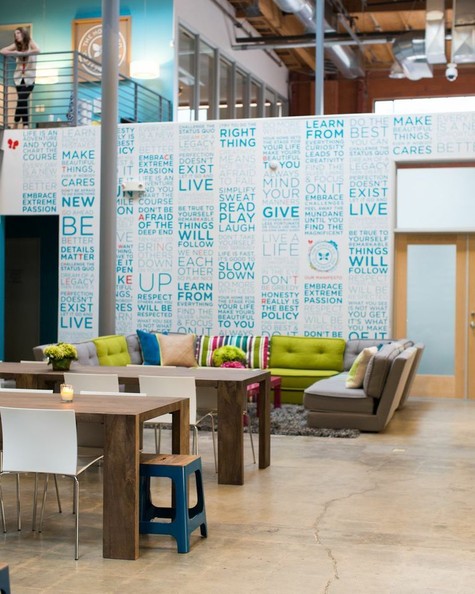
Hulu’s architects, Gensler, spent months researching how the Hulu team works, and they concluded that the average team member spends their day doing 50% focused work, 35% collaboration, 6% play, 5% learning. So for the company’s Santa Monica headquarters, they designed an open space that allows for lots of collaboration (previously known as playing videogames).

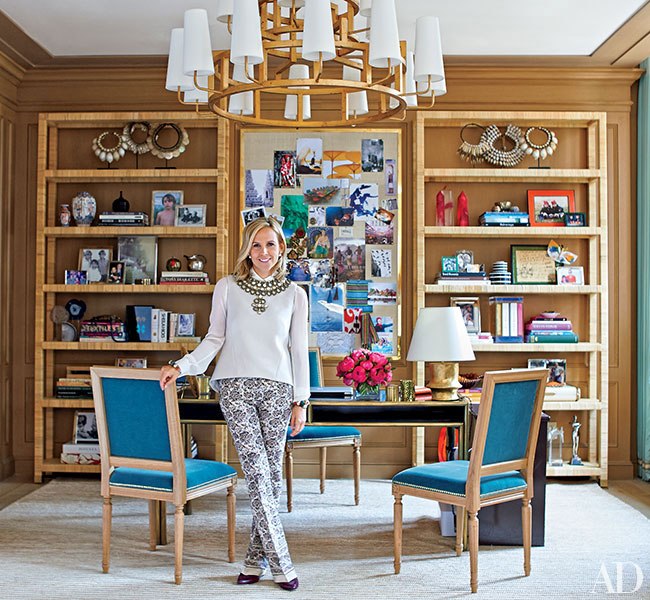
Finally, we have Tory Burch’s offices in Manhattan. Like her stores and her homes, designer Daniel Romualdez has created a superchic set of rooms oozing with Tory’s style and reminiscent of home.
Our takeaway from all these offices? They no longer look like work!
So whether you work alone or in a huge company, just focus on making your office is as inviting and comfortable as you can. Start by asking yourself the following questions:
– Does it inspire me? If you’re working on designing a collection of jewelry, could you display pictures of gorgeous movie stars to get the conversation started?
– How can I make the space more personal? If you love flowers or just feel happier when you see pictures of your last vacation, bring them in.
– Is my chair comfortable? Could I make it better with a throw or a pillow? Would I like it better if it were turquoise like Tory’s?
– Is my desk organized? Could I use a pencil cup, or a tray?
– Could I add a lightly scented candle?
– Do I have separate zones for focused work and meetings with colleagues?
– Do I have comfortable seating for guests who visit?
– Can I easily tilt my computer screen to share something I found online?
– Could I bring the outdoors in? Can I add plants or sit near a window with a view to the outside?
– Is the lighting right? If it’s too harsh, can I install dimmers? If it’s too soft, can I bring in a favorite lamp?
– Does it feel inviting? Does it have my favorite colors? Could I add a rug underfoot so it’s plush when I work?
A successful office is one that is seamless, so you never feel like you’re “at work;” you’re simply working on a project that you love. So shouldn’t it be the best you can make it?
Thursday Sale: Quick-Ship Gifts for Mom
Still stumped on what to give Mom for Mother’s Day? There’s still time to get some of our best gifts, and best prices, before May 10!
|
|
|
|
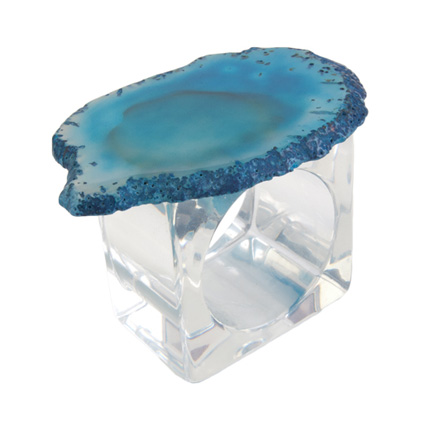
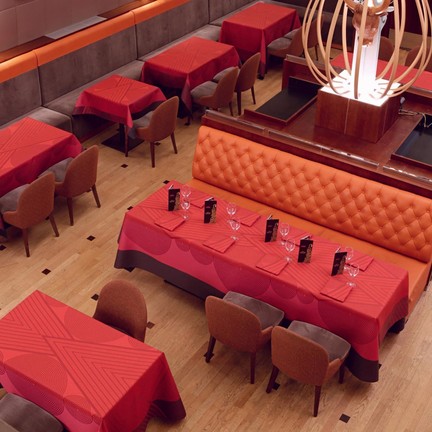
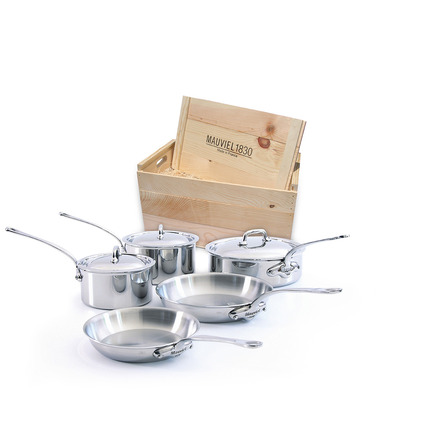
To view our full sale section, click here!
Rebranding Our 16-Year-Old Startup
1999. The NASDAQ set new highs. Nokia introduced a cell phone with games and picture texting. AOL’s free CD’s made the Internet the hottest thing.
In Manhattan, a young couple had just gotten engaged, bought their first house, and quit their jobs in finance to start a business together. They didn’t know much about business, but they loved going to Europe and the gracious, Old World style of entertaining they experienced there. They thought maybe other people would like it too, so they called their little company “Gracious Style.”
It was slow going for a while. Luxury brands back then believed they should be exclusive. You were either born into the Upper East Side and shopped at the right places, or they didn’t want you as their customer. But gradually, we convinced them, one by one, that the internet wasn’t a bad thing and wasn’t going away, and we had a unique way of showcasing them online to a wider audience. Along the way, we also learned a lot more about design, through our travels, through working with some of the top talents in the industry, and through renovating and building about a dozen houses ourselves.
Sixteen years and two major recessions later, after many bigger and flashier companies have come and gone, we’ve grown quietly and steadily. Today Gracious Style works with just about all the major luxury brands in home entertaining. We’re also older now, and increasingly we’re helping the next generation start their life of entertaining together.
A big issue we face is how that older, gracious style of entertaining we love fits in. Where do 200-year-old china patterns used by the royal families of Europe fit with today’s hyper-connected, social, mobile, texting Millenials? Should they be relegated to display cabinets and brought out once a year? Or should we just put them in museums and be done with it?
We don’t think so.
In fact, we believe that gracious entertaining is even more important now than when we started. More than ever, we need to hit pause and live in the moment. We need permanence and history in a world that changes too fast. We need to savor our foods, talk with our loved ones, and nestle in our beds. What we do is not just for private jets, yachts, and second-/third-/fourth homes. It is also for the young couple sharing a loft downtown. It’s for the executive whose daily quiet moment is her morning cup of chamomile. It’s for the architect who celebrates his kimchi tacos with all the fanfare of The French Laundry.
We’re not the only ones who believe this. We’re inspired by — and validated by — the restaurants that are making honest, locally grown food, by resorts like Blackberry Farm and the Aman that take us back to nature, and by the thousands of creative young people who are taking back the old inner cities of Los Angeles, Brooklyn, and even Detroit. Even though we work with the some of the oldest luxury brands in the world, we feel a kinship with those young, creative people, and we want to make what we do meaningful to them.
So, today we started a partnership with a couple of these young, creative people. Meet Josh and Aaron of The VHF:
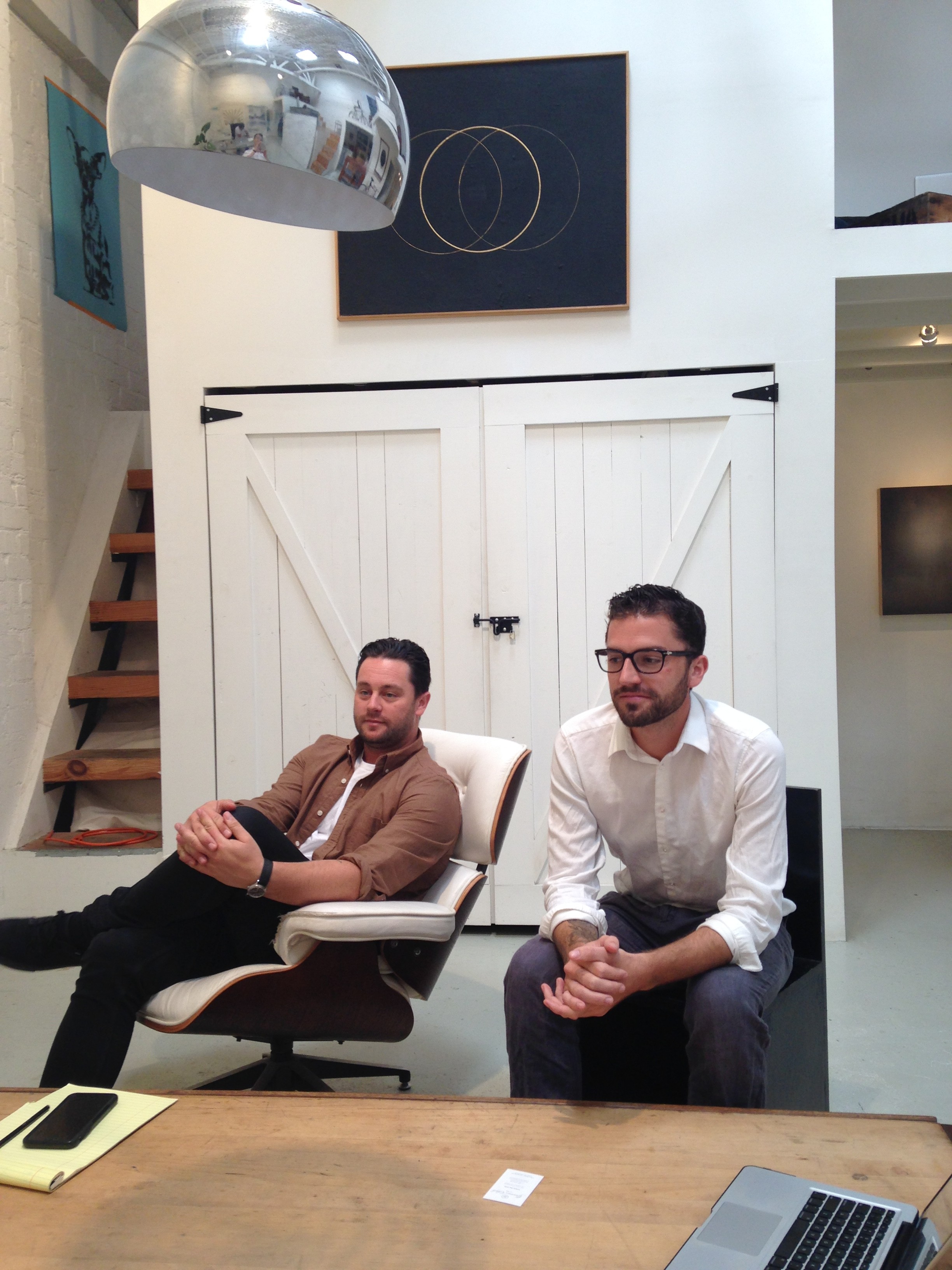
They work out of an old Coke bottling warehouse in Venice, where they churn out amazing work for swimwear manufacturers, game companies, and musicians (hey, this is LA):
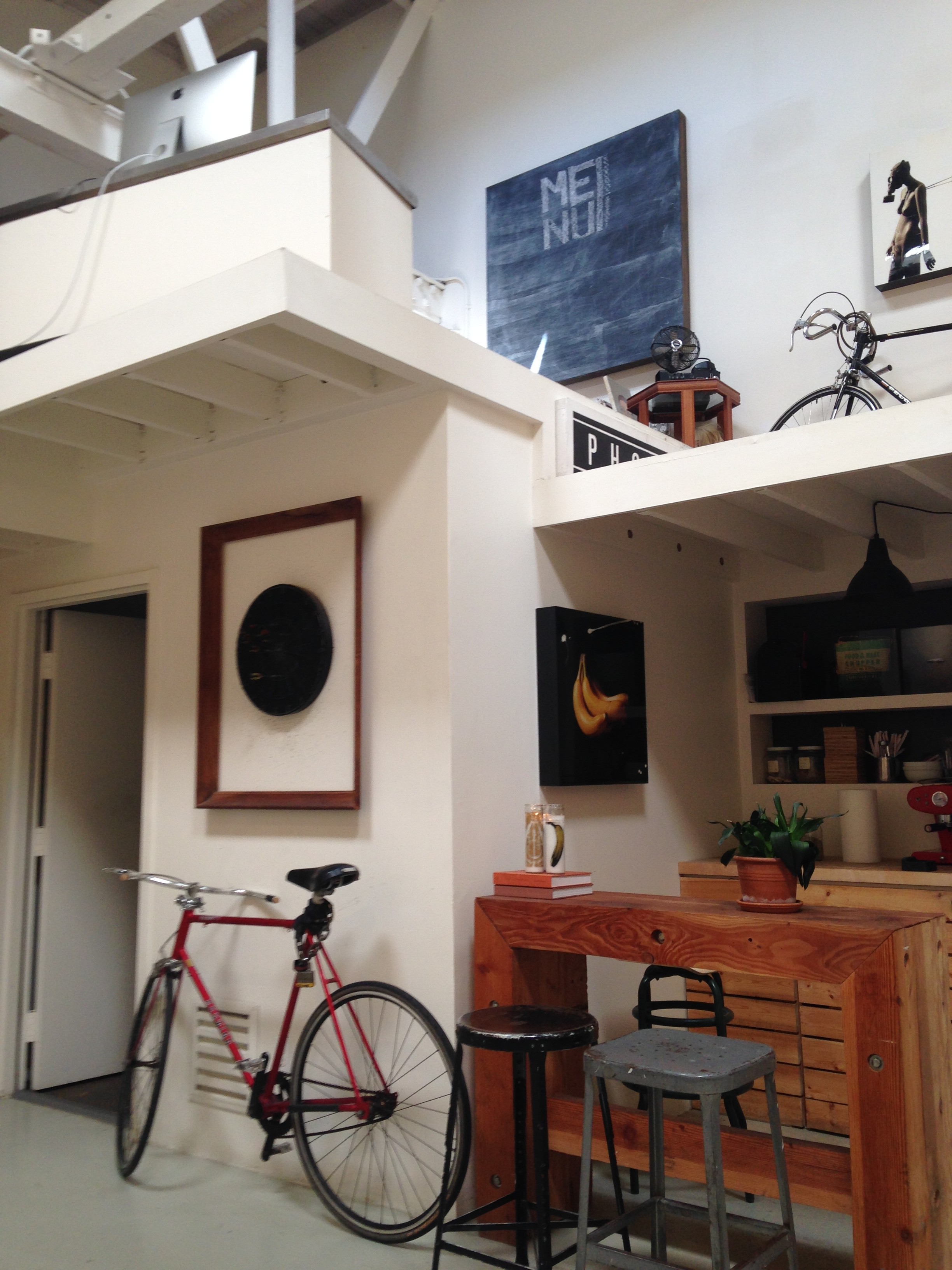
And what we’ve asked them to do is help us make gracious entertaining relevant to a whole new generation:

Looks like they’ve got their work cut out for them. Stay tuned!
Friday Sale: New Items Added + Free Shipping
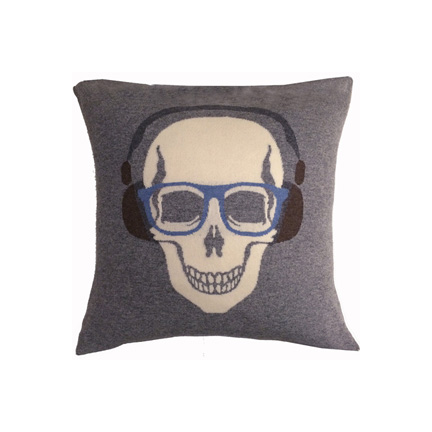
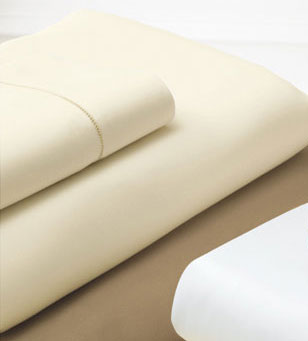
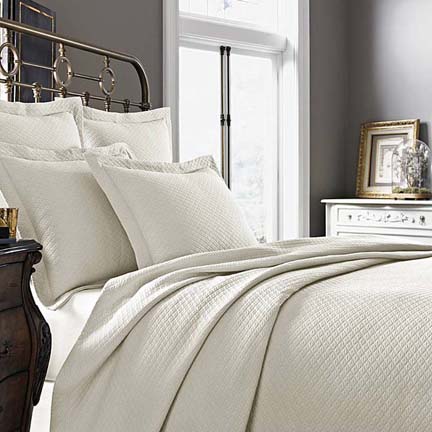
Lots of great new things on sale! And for a limited time, enjoy free shipping on all orders over $75.
|
|
|
|

To view our full sale section, click here!
Understanding Area Rugs: Materials and Construction
To be able to choose the right rug, it helps to be familiar with the different kinds of materials and weaves. Here we break it down for you.
The most common materials for rugs are wool, cotton, acrylic, nylon, polypropylene, and hemp. There’s also silk and cashmere, but those are rare.
Wool is the finest and priciest. It keeps its shape and resists dirt better than any other fiber, so it holds up better under traffic and is more easily cleaned once soiled.
Cotton is a good choice because it is natural and lightweight (great if you move furniture often).
Acrylic fibers resemble wool, but they don’t hold their shape as well over the long run. They are less expensive than wool and they are a great alternative for those who are allergic to wool.
Nylon is one of the most popular, well-priced fibers used for carpeting today. It wears well and holds up under lots of traffic.
Polypropylyne (olefin) and Polyethylene (PET) are stain and water resistant, so they’re frequently used to make outdoor area rugs.
Sisal, sea grass, coir, and jute all come from the fiber of the hemp plant. They’re beloved by designers because they’re neutral and add texture without competing with anything else in the room. If you choose one of these, clean up spills as soon as they happen.
Now that you’ve chosen your material, let’s turn over to our friends at Dash & Albert to give us a primer on the different weaves available.
Woven cotton rugs are durable enough to stand up to the heavy traffic of a kitchen or hallway, but also soft enough for the bedroom, nursery, or family room. They are reversible, affordable and lightweight, so they’re great if you like to rearrange furniture often.
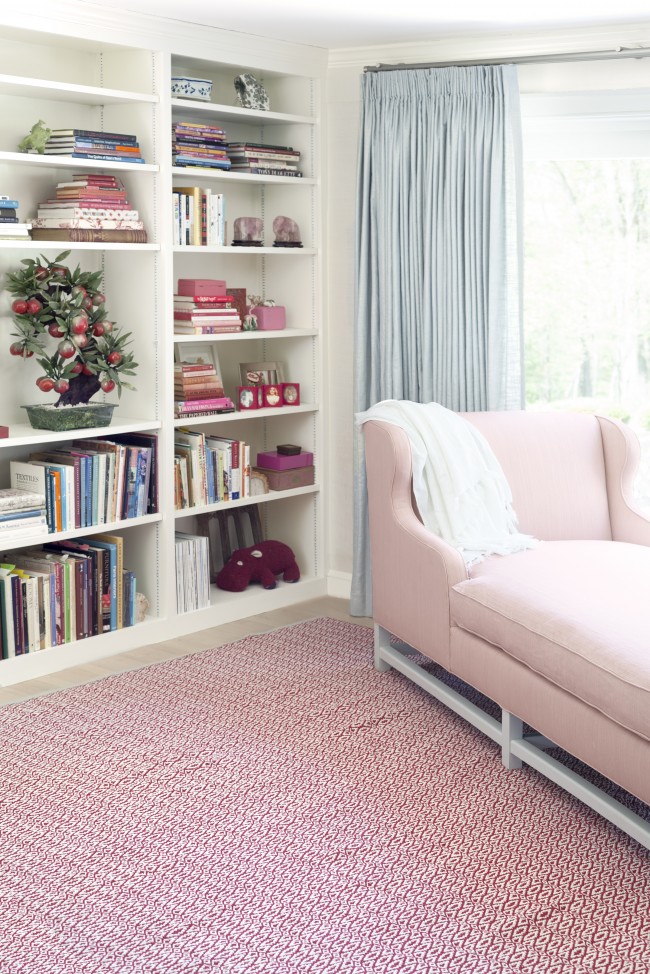
Woven chenille rugs are made from a combination of cotton and cotton chenille for plushness and softness. Like woven cotton rugs, they’re lightweight and reversible. Woven chenille rugs are great for low- to medium-traffic areas where you want a little more cushion underfoot, such as guest rooms, hallways, and home offices.
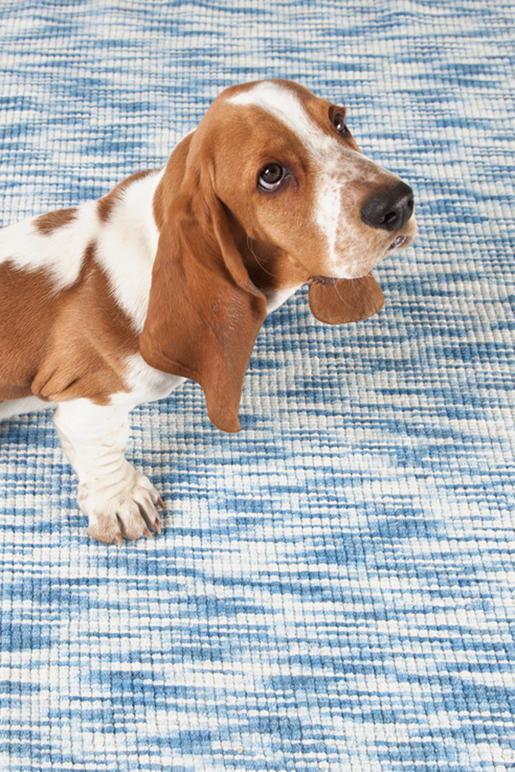
Hooked cotton rugs are hand hooked by skilled artisans from scrap jersey fabric or yarn, giving them a springy, looped construction that feels bouncy underfoot.
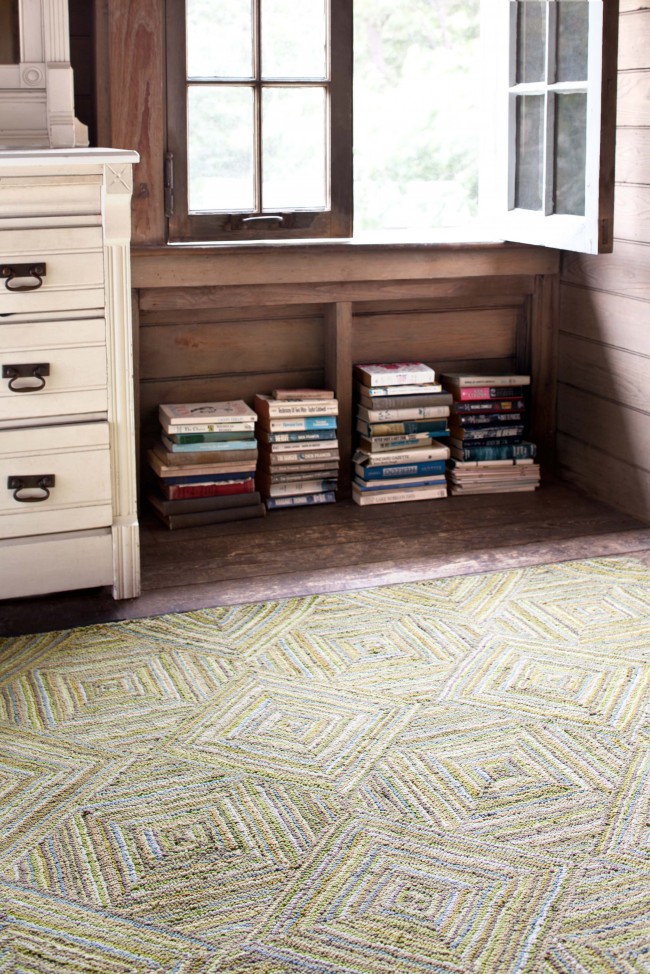
With hooked cotton rugs, the size of the hook and fabric loops is important in determining where to place your rug. Chindi large and medium hooked rugs are high-profile and very plush, so they’re well-suited for living rooms, bedrooms, and family spaces. If you’re looking for that same cushy feel with a lower profile and a more detailed pattern, go with chindi micro-hooked and yarn hooked rugs. These are great in offices, dining rooms, and even stairs!
Woven Wool Rugs
With a rougher hand and a dense, durable construction, woven wool rugs have a natural earthen charm and rustic texture. Woven by hand from 100 percent wool yarns, these rugs work best in low-traffic areas like guest rooms, home offices, and sitting areas. They are lightweight and reversible.
Soumak Woven Wool Rugs
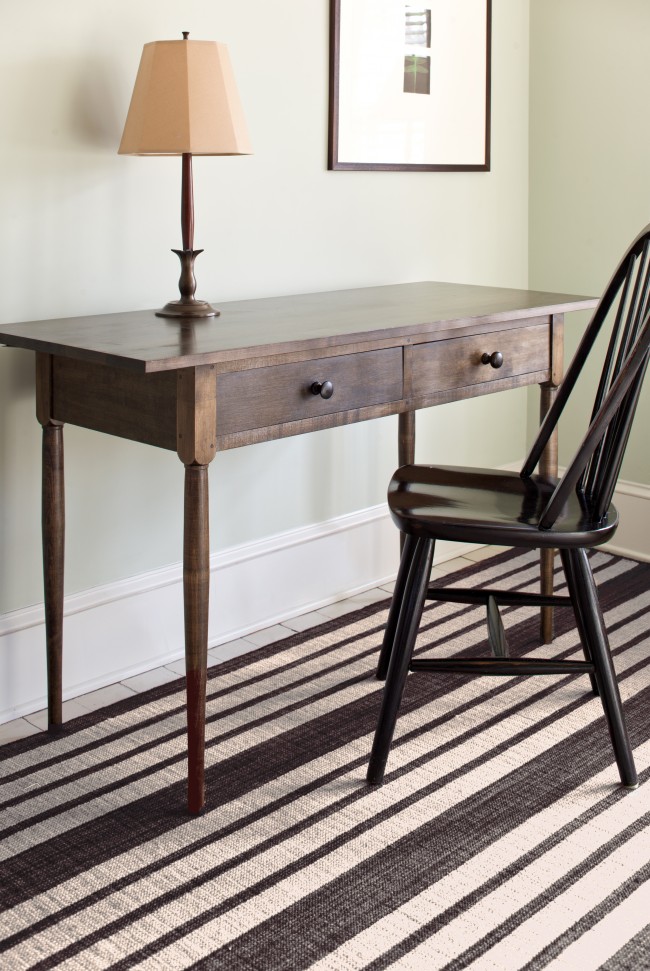
Sophisticated and unusual, soumak wool rugs are crafted by braiding the weft yarn around an additional warp, so they have a more textured surface than their wool woven counterparts, and feature a dynamic pattern with lots of visual movement. Soumak woven wool rugs are for indoor use only, and work well in living rooms, bedrooms, and home offices.
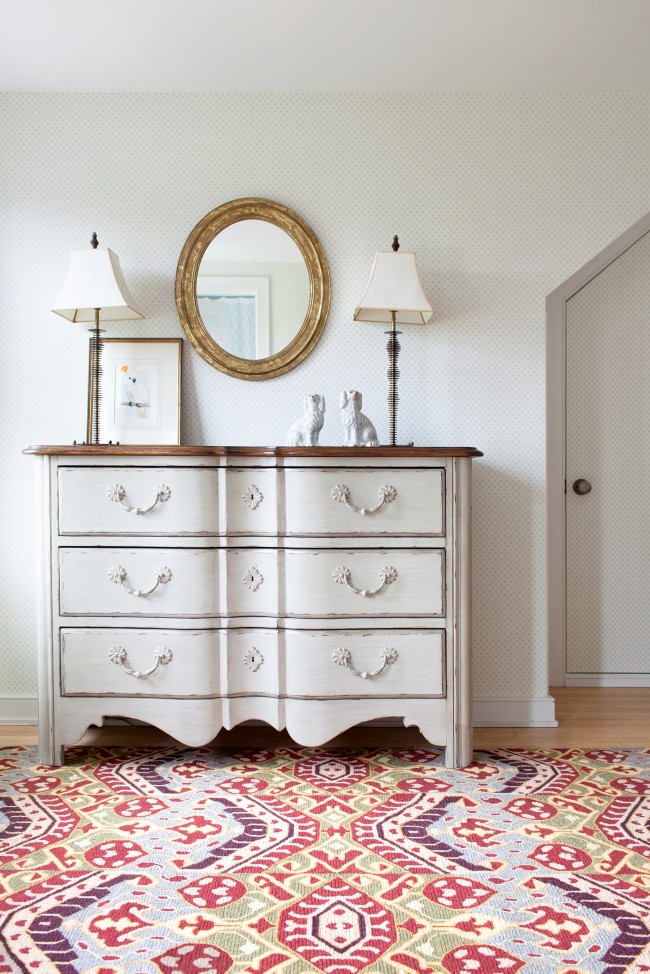
Hooked wool rugs require little maintenance and get better with age. The size of the hook and the yarns will help determine where to use your rug. Micro-hooked wool rugs are made with smaller wool yarns in tight hooks that create a low-profile rug, so they are perfect for high-traffic areas, including hallways, entryways, stairs, kitchens and mudrooms. Medium-hooked wool rugs, crafted from four to five plies of thick wool yarn in large hooks, feature a higher profile, making them ideal for bedrooms and living rooms.
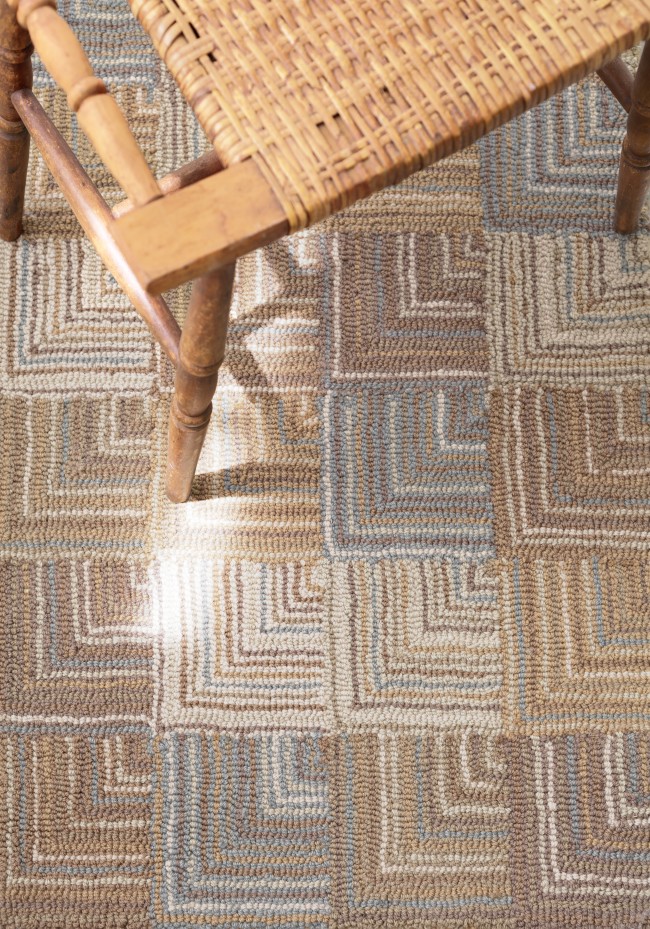
Tufted & Carved Wool Rugs
Full and lush, tufted and carved wool rugs are a true treat for the feet! Thick wool yarns are hand hooked in intricate designs, and then sheared to create a lush pile. The pile is then hand carved along the design, creating an area rug with a truly luxurious feel. The wool rug weave with the highest, cushiest profile, tufted and carved wool rugs are at home in living rooms, dining rooms, and master bedrooms.
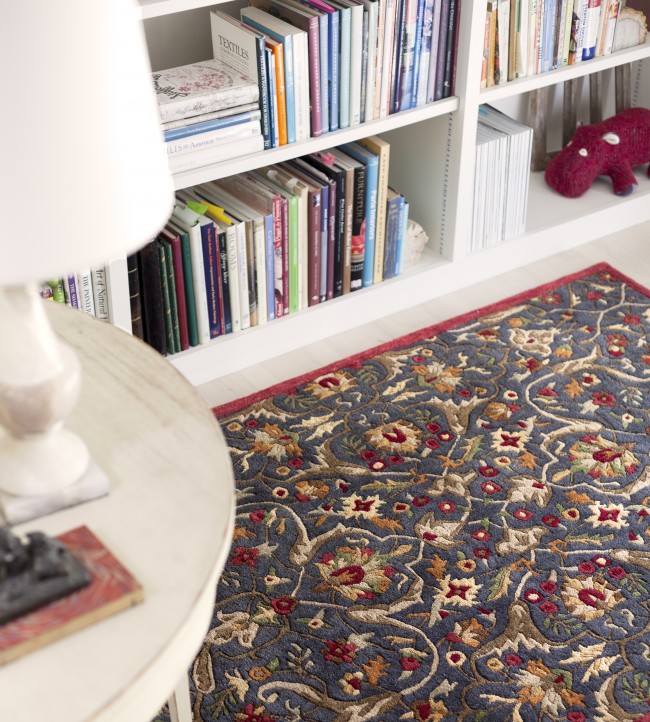
Hand-Knotted Wool Rugs
Crafted by only the most skilled artisans, hand-knotted wool rugs are timeless investment pieces. Because of their unusual weave, hand-knotted rugs can appear lighter from one angle than the other—an optical illusion that’s part of their appeal. Plush and sumptuous, these area rugs are perfect for rooms where the rug is the star: living rooms, bedrooms, nurseries, and playrooms.
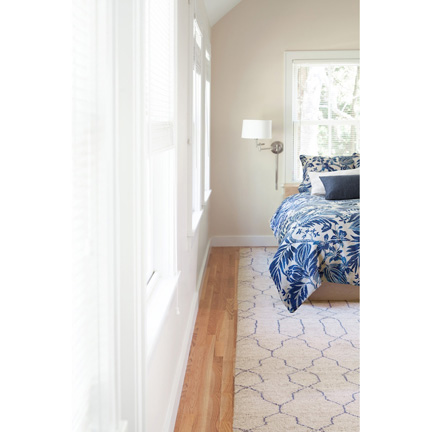
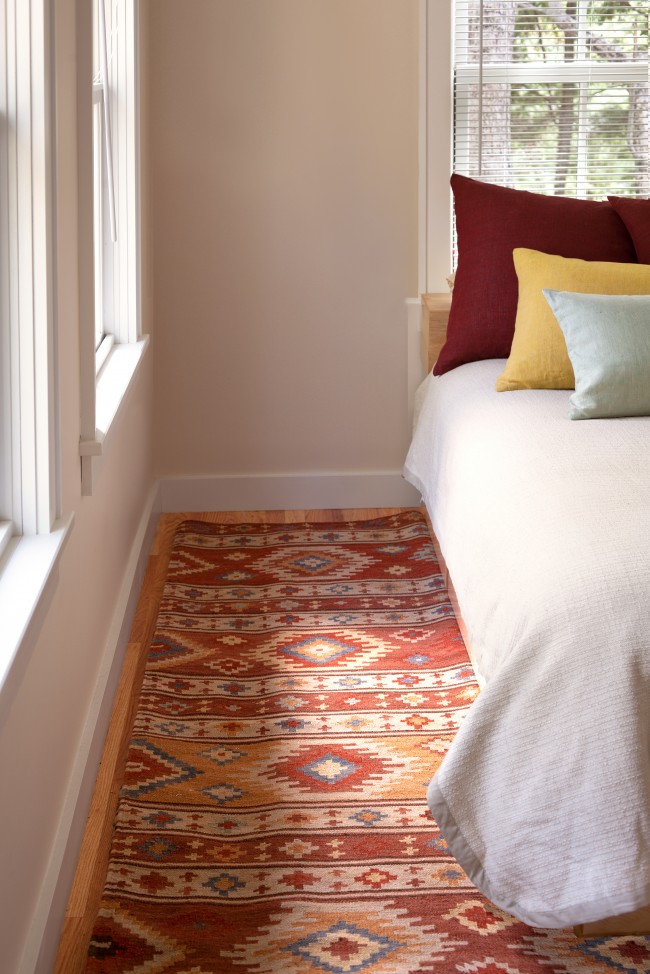
Kilim woven wool rugs feature weft-created, geometric patterns; knotting creates an open weave that gives more definition and dimension to the pattern, while interweaving creates a softer pattern with intermingled colors. Durable, bold, and low-profile, these showstopping kilim rugs are natural for any room that could use some pattern, including bedrooms, dining rooms, and family spaces.
Woven Indoor/Outdoor Rugs
Made of nearly indestructible, UV-treated polypropylene, indoor/outdoor rugs are terrific for high-traffic areas: kids’ rooms, sunrooms, decks, and porches; and any floor that gets wet—like the bathroom, the kitchen, or the basement. And of course, indoor/outdoor rugs are ideal for homes with pets.
Small indoor/outdoor rugs are great for shoes, play mats, cargo-area covers in the car, and even food bowl mats for pets.
There are three types of woven indoor/outdoor rugs: flat weave, diamond, and dhurrie.
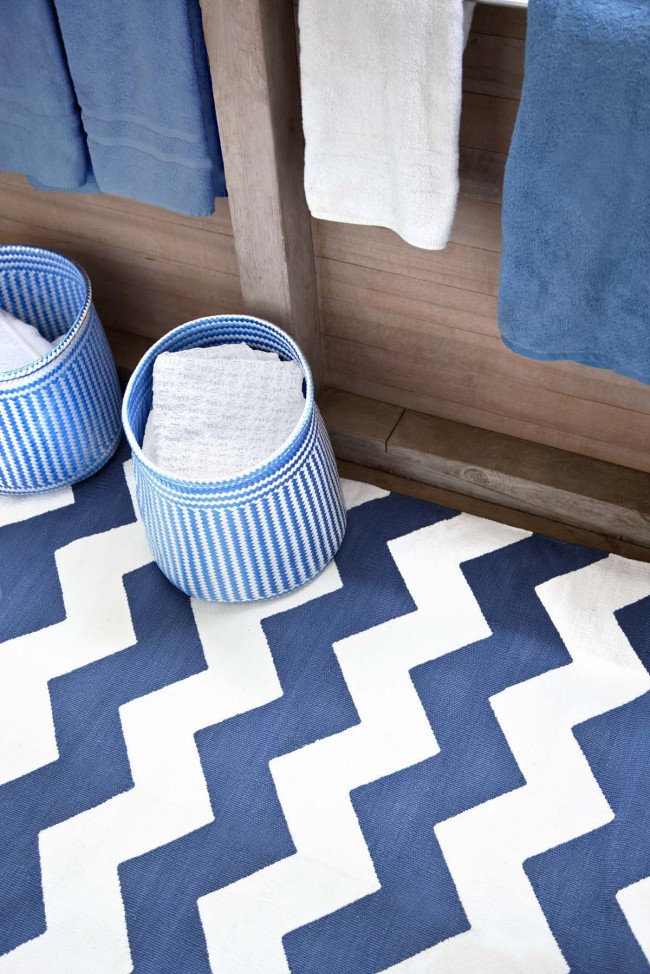
Classic flat weave indoor/outdoor rugs are hand-woven, with extruded poly yarns making up the warp and weft. The technique results in an array of patterns and happy stripes that make fun additions to frequent-cleanup areas like playrooms and crafting spaces.

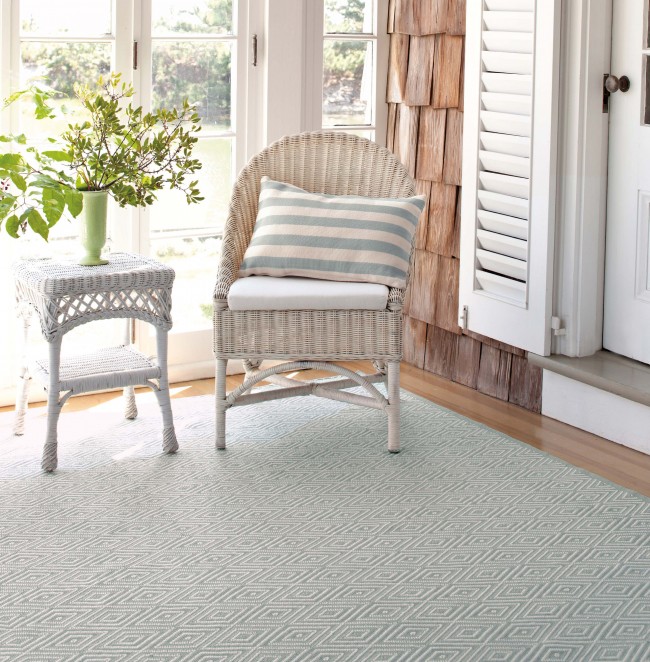
Diamond woven indoor/outdoor rugs are very similar to their flat-weave companions, except that they’re hand-woven on a jacquard loom, with the weft skipping specific warps to create their distinct diamond pattern. The eye-catching geometric is a star performer in areas where you want visual interest but still need durability, such as the entryway, the hallway, or the man cave. Bonus: geometric patterns can help camouflage everyday dirt, so if you haven’t quite gotten around to vacuuming, they’ll still look handsome for a few more days.
Woven Rope Indoor/Outdoor Rugs

PET (Polyethylene) Indoor/Outdoor Rugs
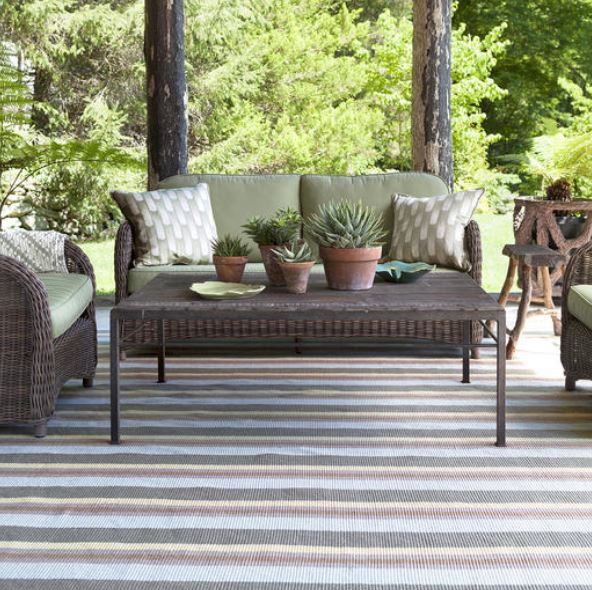
With their soft, pliable texture that is often mistaken for wool, PET indoor/outdoor rugs are just right for high-traffic areas that require a more sophisticated look. Made of recycled polyester, these area rugs are durable, washable, eco-friendly décor pieces that come in a variety of beautiful patterns and versatile hues. They’re lovely additions to the porch or patio (no need to worry about the sun, they’re UV-treated for fade resistance!), but also blend right in to more formal spaces like the living room, dining room, or bedroom.
Friday Sale: Mother’s Day Gift Ideas + Free Shipping
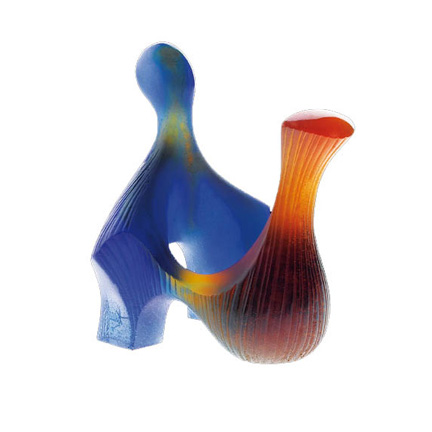
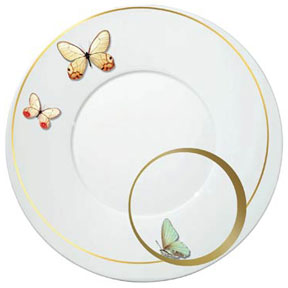
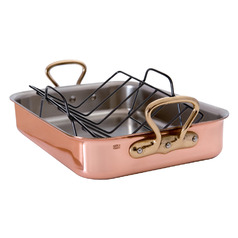
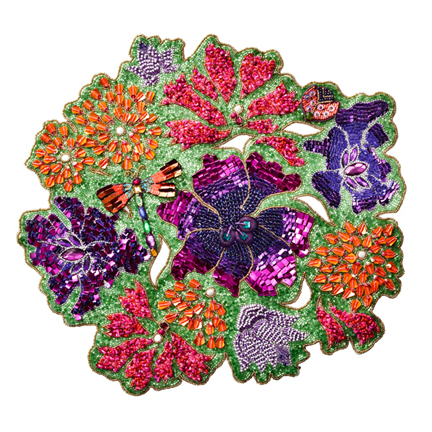
Mother’s Day is just one month away; be sure to remember her with these thoughtful gifts.
|
|
|
And for a limited time, enjoy free shipping on all orders over $75.
To view our full sale section, click here!
Obssessed with Empire? How to Recreate Cookie’s Office
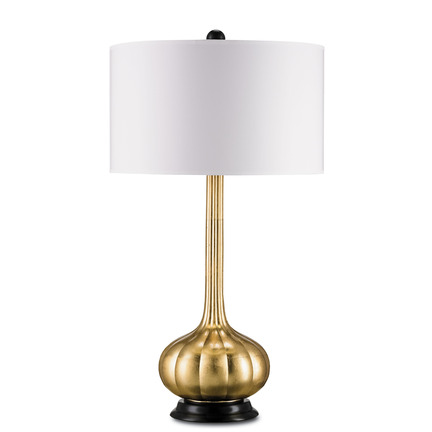
In the glamorous world of Fox’s new hit show, Empire, work is as decadent as play. If you love this opulent style, take a look at some of our favorite picks to transform your work space into queen’s quarters, just like Cookie’s!

|
|
|
|
|
|
|
|
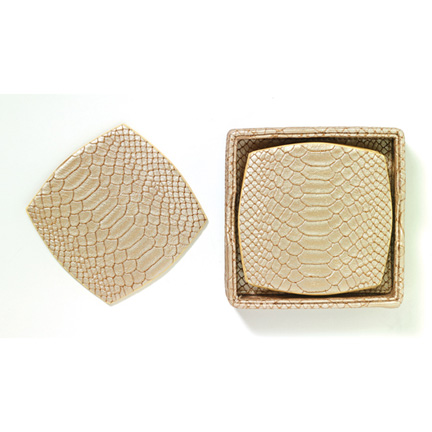
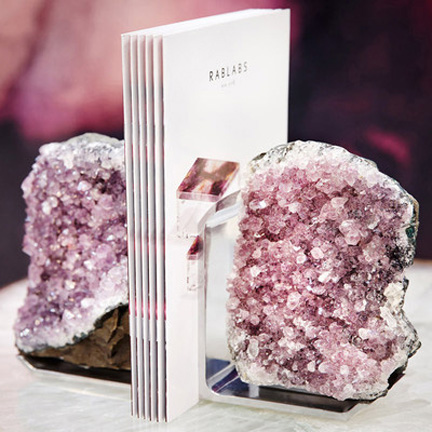
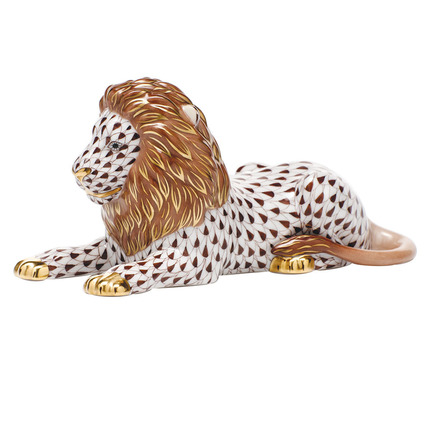
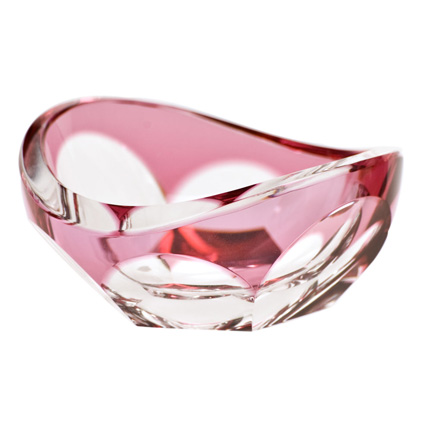
For more ways to make your office over the top, click here!
Thursday Sale: Let’s Get Summer Started!
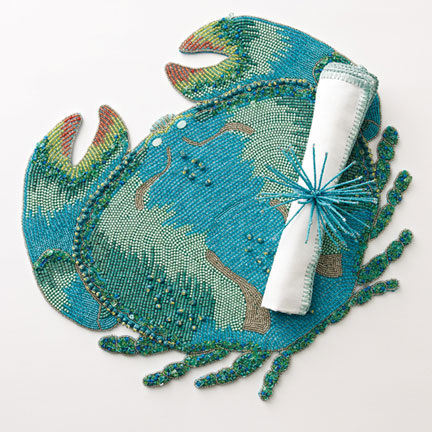
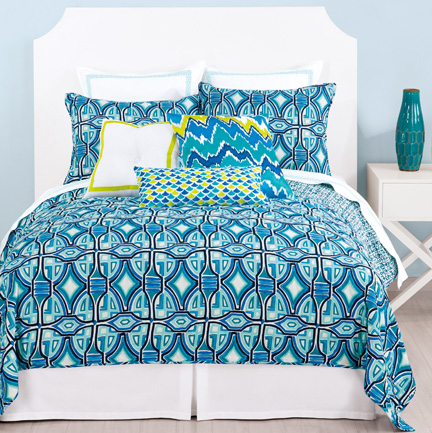
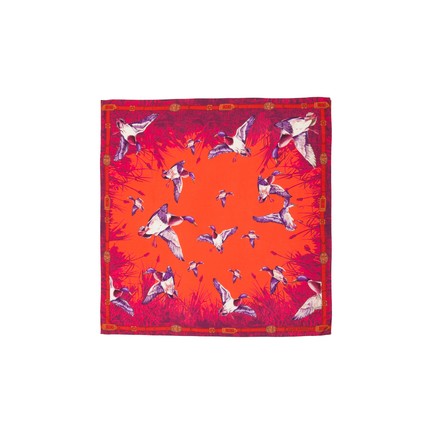
Summer is coming! Embrace longer days, brighter colors, and the best prices of the season! Shop our sale section to bring your summer to life.

|
|
|
To view our full sale section, click here!
J. Lo’s Big Move: Transporting Style From Coast to Coast
Combining class with sass has always been key to Jennifer Lopez’s signature style. From her glossy videos to her glittering dresses, J.Lo exudes the glamorous life of a true A-lister.

It comes as no surprise that such a star should have a dazzling home to match. With the purchase of a $22 Million New York penthouse, Jennifer Lopez is taking a touch of Tinseltown back to the East Coast.
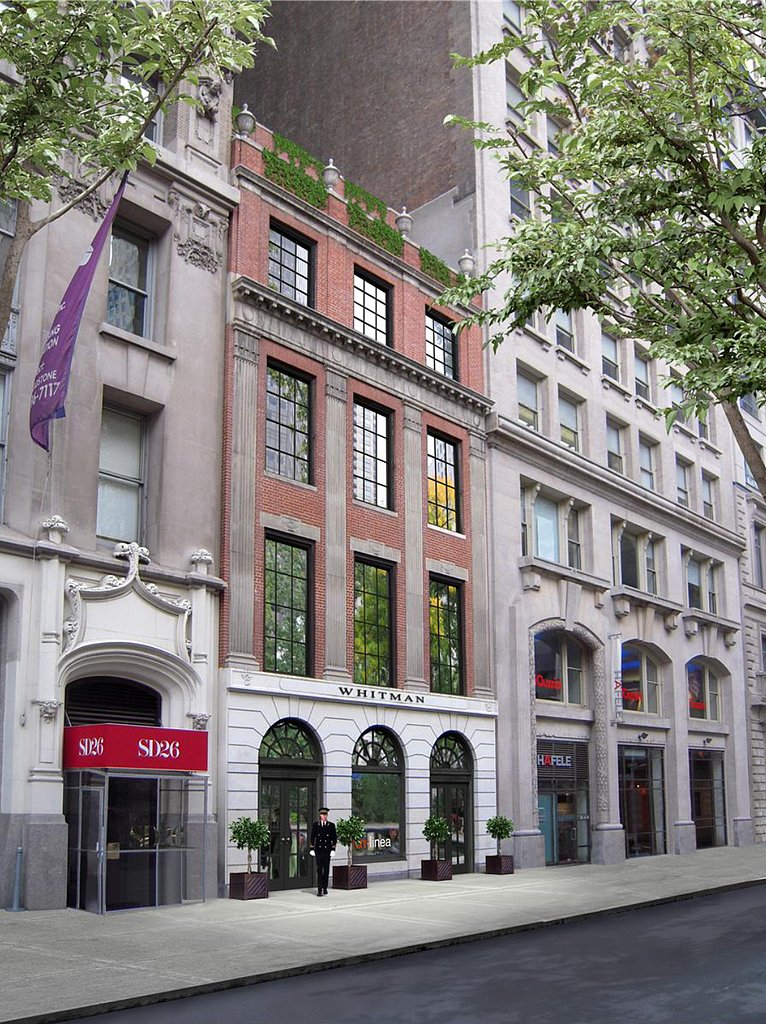
The singer/actress recently listed her Los Angeles mansion in Hidden Hills for $17 Million, after buying it with ex-husband Marc Anthony for less than half this price ($8.2 Million!) in 2010.

Making a move this big may come as a shock, as these homes appear so dramatically different. But Jennifer’s a woman who knows what she wants. Take a look at how she is translating her style from a spacious West Coast mansion to a sophisticated East Coast apartment.
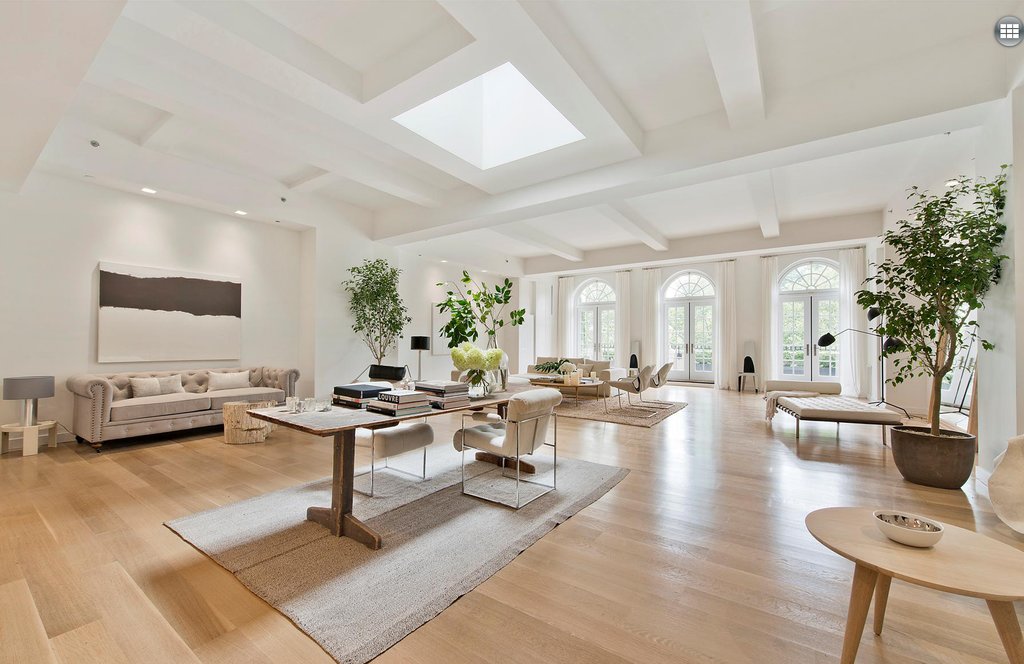
Keeping her color scheme light and bright, Jennifer took the soft, airy feel of her previous living room…
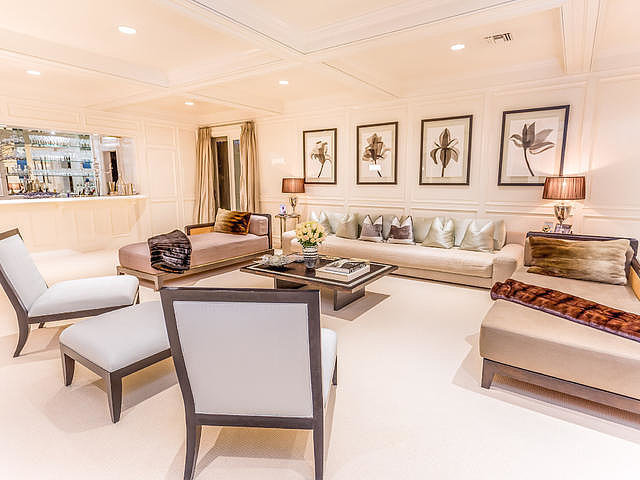
And upgraded to hardwood floors, tufted furniture, and a glowing skylight. Swapping the floral artwork from her LA home for an abstract painting, Jennifer’s new abode incorporates a more active engagement with nature through live house plants.
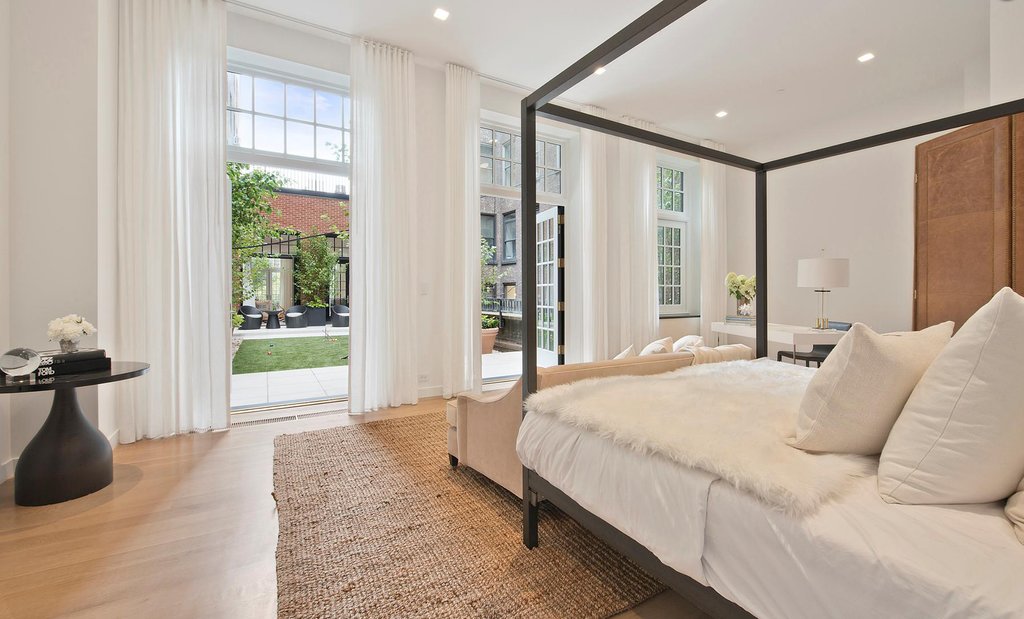
Staying true to her four-post beds and long, luxurious curtains…
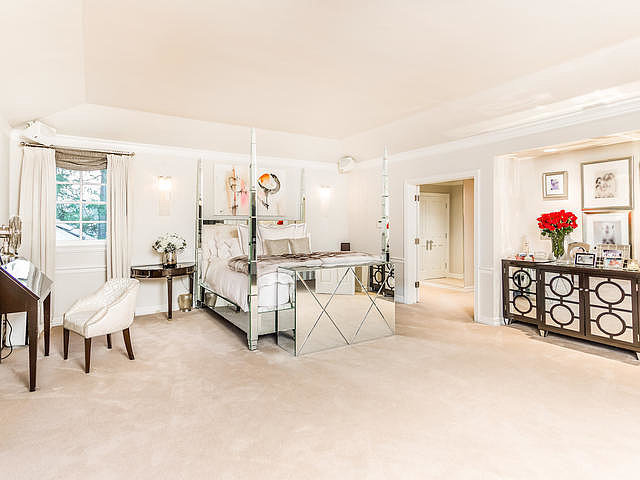
The bedrooms are updated with more natural finishes. Keeping colors neutral, both homes achieve a rich, layered look through varying textures, materials and shapes.
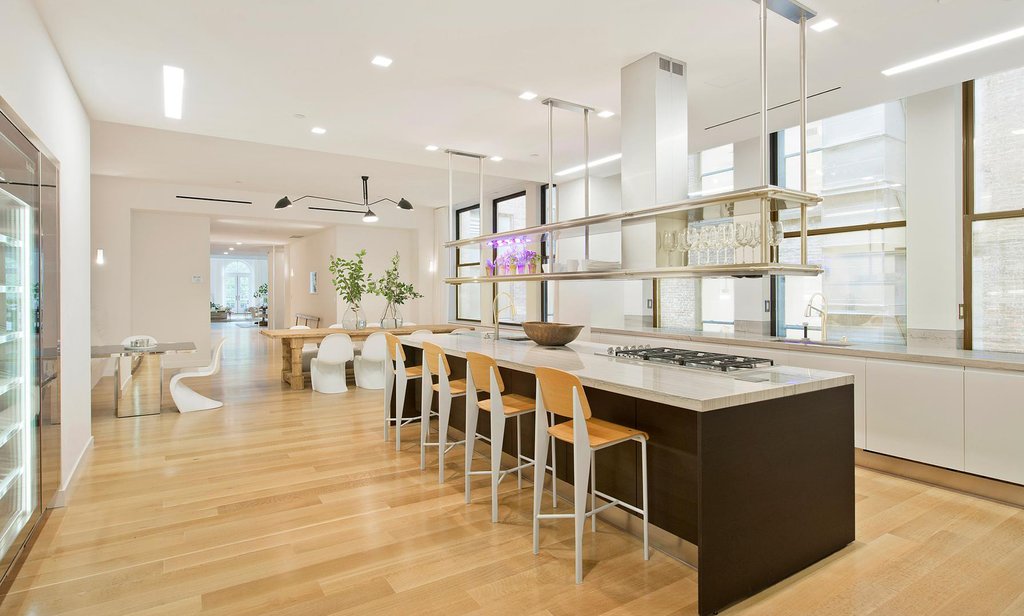
While she still loves the recessed lighting, stainless steel accents and open floor plan seen in her last kitchen…
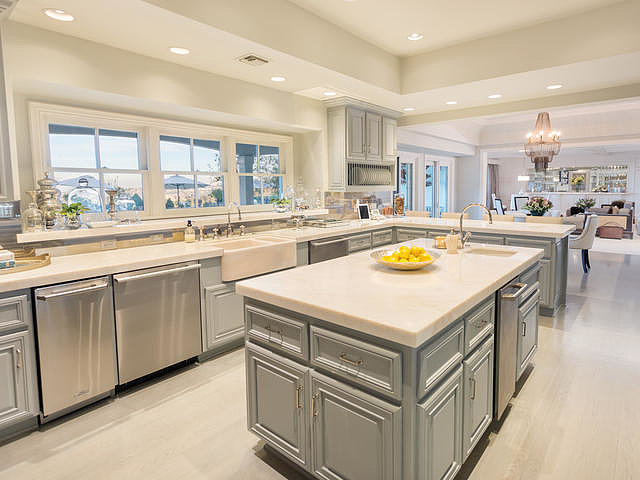
Her New York kitchen boasts an even more open-air feel with higher ceilings, sleek seating, and a longer, more functional island.
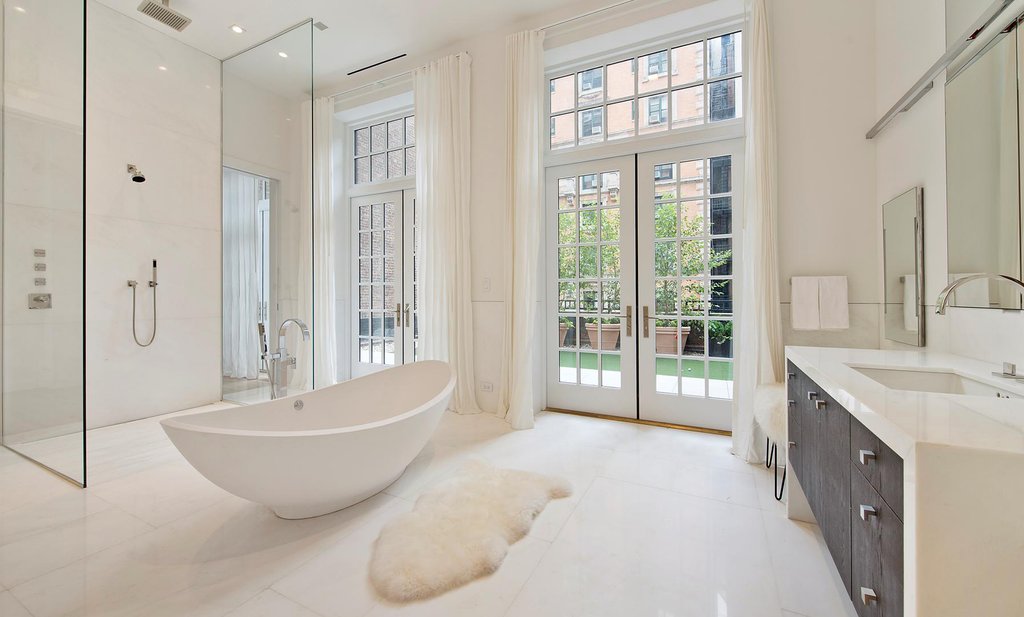
One of the most dramatic differences between the two homes lies in the master bathroom. Jennifer loves the free-standing tub and plush sheepskin rug that give the room a luxurious and indulgent feel…
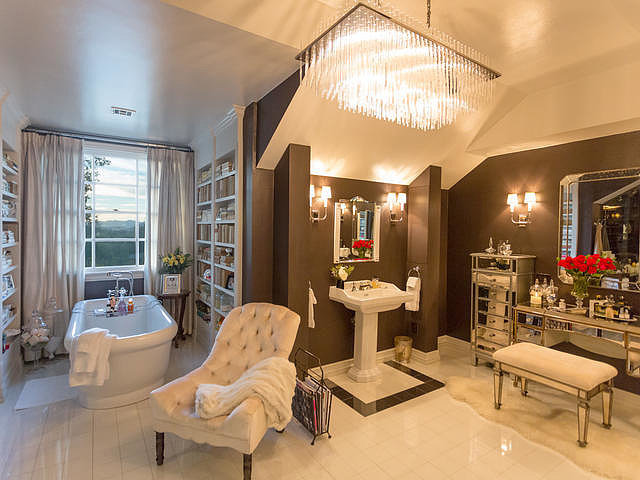
But has swapped out the dark paint and room divider for the squeaky -clean look of all white. The floor-to-ceiling glass shower walls visually open the space, while the huge doors and windows fill the room with natural light, lending that California feel.
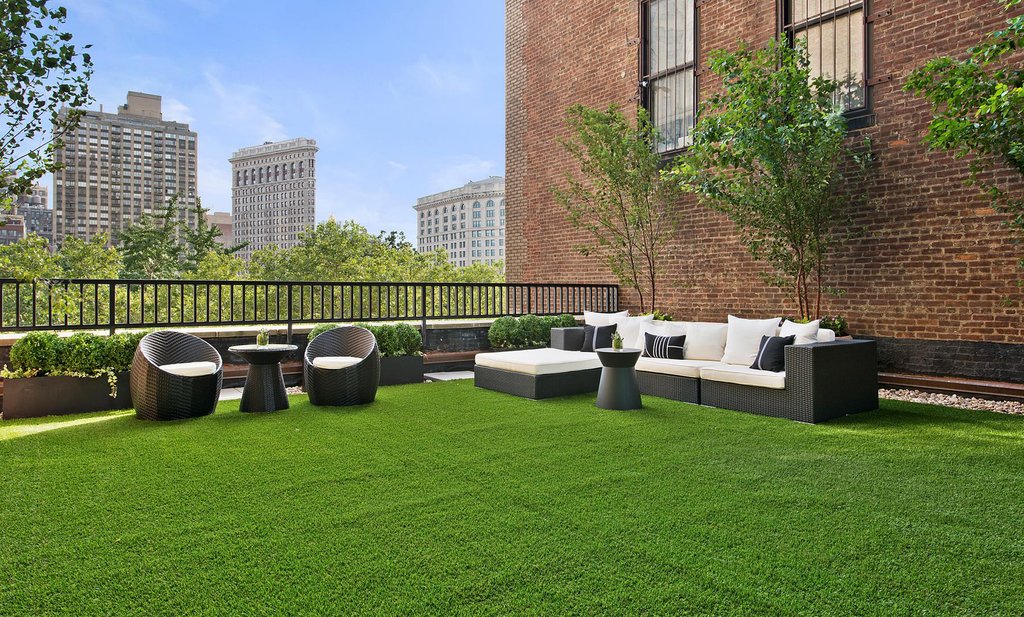
While Jennifer is saying sayonara to an enormous, resort-like pool…

She is keeping in touch with the great outdoors with a rooftop garden, golf and croquet course, and some spectacular city views.
Love J.Lo’s new digs? Or do you prefer her sunny spot in California?
Tell us in the comments section!
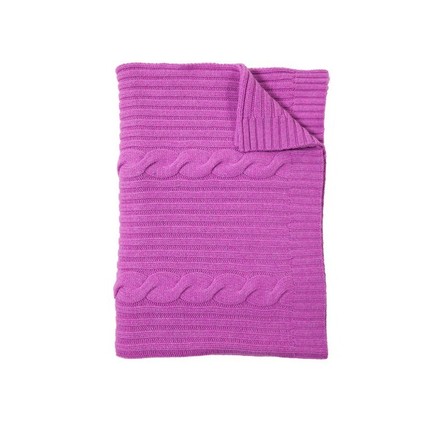
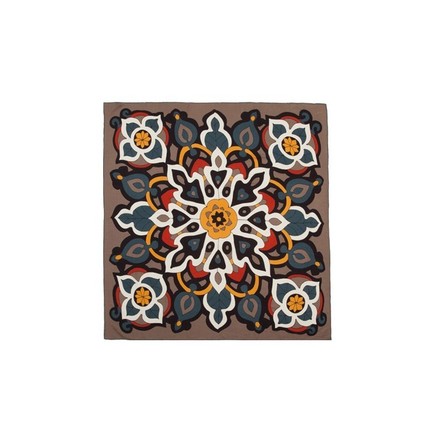
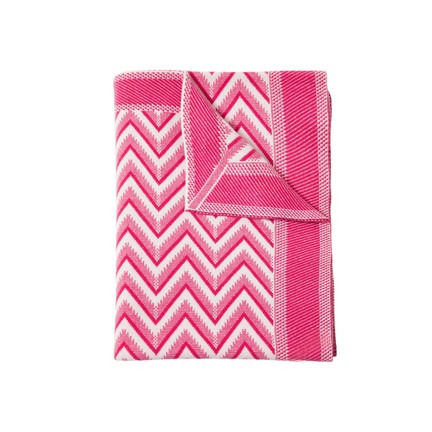
Thursday Sale: Rani Arabella Italian Cashmere
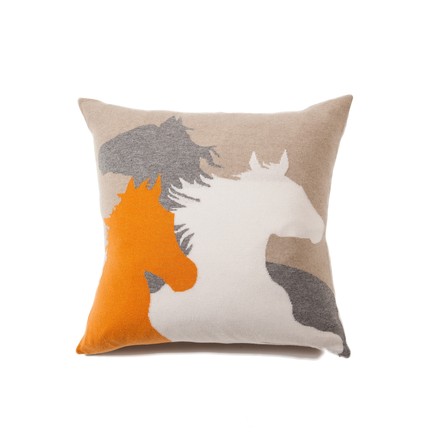
Made in the softest cashmere, Rani Arabella’s sophisticated home accessories exude effortless luxury. Snag these great finds at 30% off for a limited time!
|
|
|
To view our full sale section, click here!