Save to...
Guide to Choosing Flatware
There are so many exciting choices in flatware, you are probably asking yourself, “Where do I start? Which material should I select, and how many pieces will I need?” We break down the basics for you, so your table will look fabulous in no time flat.
Understanding Flatware Materials
What are the different types of materials used to make dinnerware?
Sterling: Sterling silver flatware collections are true heirlooms. Sterling is made of at least 92.5% pure silver and an alloy (usually copper for added strength). Any piece of flatware that meets these guidelines is stamped with the word “sterling” to ensure its authenticity. Sterling silver is very expensive, but it makes the most elegant and formal flatware. Compared to stainless, sterling has a warmer glow and may require occasional polishing. When not in use for prolonged periods, we advise keeping sterling in felt pouches to prevent scratches or tarnish.
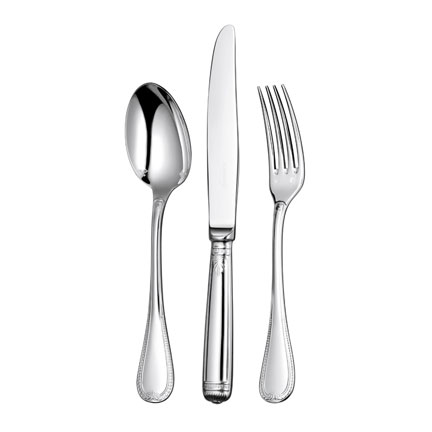
Silverplate: Silverplate is a dishwasher-safe, less-expensive alternative to sterling that can last nearly as long. A layer of 100% silver coats another metal, usually nickel or brass. Nickel is best, because it’s harder than brass and silver adheres to it well. The thicker the silver layer, the better the quality.
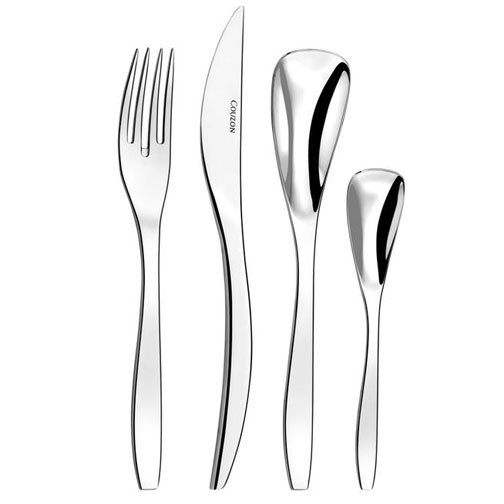
Stainless Steel: Most everyday flatware is stainless steel, which doesn’t rust, tarnish, chip, or wear out. Stainless steel is commonly defined as a metal alloy that contains a minimum of 10.5% chromium. To make stainless steel flatware, chromium is added to steel for strength as well as rust and stain resistance. Nickel, another metal alloy, is also added to the steel for its brilliance and lasting finish. The grades (18/10, 18/8, and 18/0) refer to the amount of nickel, which prevents corrosion. The best grade is 18/10, because it is the longest lasting.
Why is stainless steel “stainless”?
Compared to other metals, stainless steel is particularly resistant to rust and discoloration because the oxide film in the metal absorbs common forms of discoloration. Keep in mind, however, that while stainless steel certainly stains less, it is not completely stain proof.
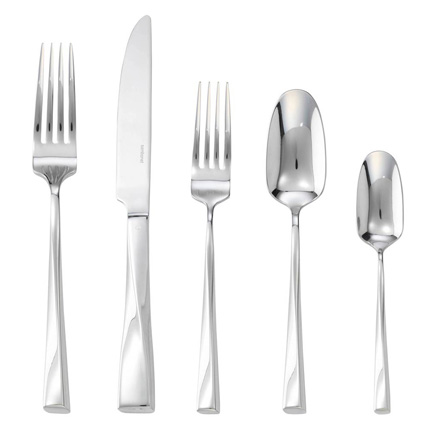
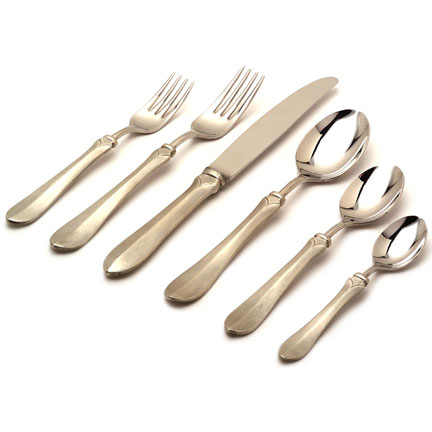
Pewter: In colonial America, pewter was prized for its strength and durability. Today, pewter products are sought after by collectors for their rustic feel and beautiful patina. Pewter does not require polishing.
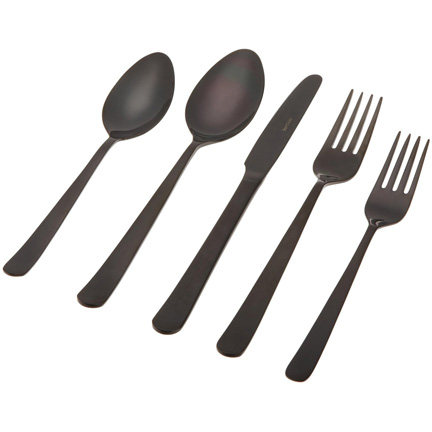
PVD: Is a thin ceramic coating deposited on stainless steel pieces, resulting in colored implements. It is very hard and resists abrasion well.
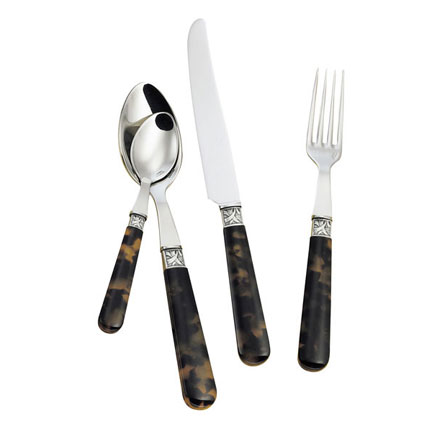
Acrylic: Acrylic flatware with colored and patterned handles is sold in a rainbow of styles. Fashionable enough for formal events, it’s also great for everyday use. Q Squared’s London Chic collection, and Vietri’s best-selling Aladdin collection, are perfect for adding personality to your table setting.
Suggested quantities
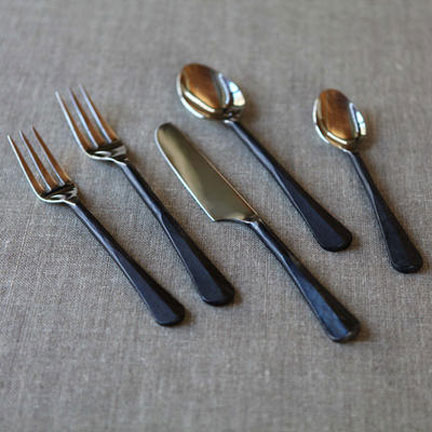
What is included in a five-piece setting?
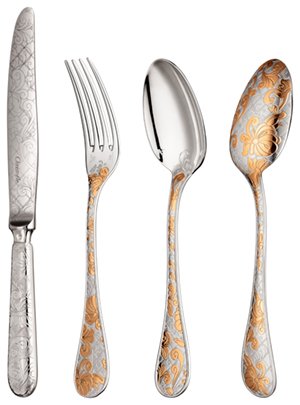
Five-piece place settings consist of the following: dinner knife, dinner fork, salad fork, tablespoon and teaspoon.
Can I order additional flatware pieces?
Yes. In addition to five-piece settings, additional pieces such as butter spreaders, fish forks and knives, demitasse spoons, salad servers, cake servers and gravy ladles are standard items in many collections. Please write us at service@graciousstyle.com for further information on any of our collections.
How many flatware collections do I need?
Generally, most people have at least one casual collection for everyday use (usually stainless steel) and one formal collection for selected occasions (usually sterling or silverplated).
|
What serving pieces do I need?
– Twelve five-piece settings
– One serving set (serving knife and serving fork)
– One salad serving set
– One carving set
– One set of steak knives
– One cake server
Caring for Flatware
How do I care for stainless steel flatware?
Stainless steel flatware is dishwasher safe; it can also can be washed by hand.
How do I care for silverplated or sterling flatware?
The best way to keep sterling and silverplated lustrous is to use it regularly. For optimal care, wash silver flatware in hot water with mild soap and dry immediately afterward with a soft cloth. Do not wash sterling and stainless together, as the steel will scratch the silver. Use a small amount of detergent, and one with no lemon or citrus additives.
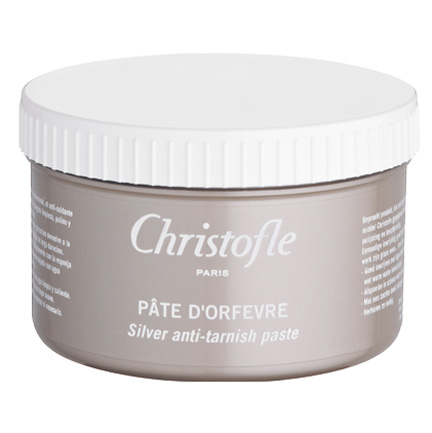
To clean individual pieces of silver, you can use a high-quality silver polish or foam (such as Christofle Cream Cleaner with Sponge). To view all our metal cleaning products and storage cases, click here.
However, to clean many pieces simultaneously, we suggest the following quick-clean method:
1) Boil a pot of medium pot of water.
2) Line a pan with aluminum foil.
3) Place your flatware pieces inside the pan, one next to each other.
4) Pour boiling water over the flatware.
5) Add a few tablespoons of baking soda to your pan. While the solution bubbles up, watch the tarnish disappear from your flatware and onto the aluminum foil. Try this, it really works!
How do I store my flatware?
We recommend that you enjoy your flatware as much as possible. However, when not in use, flatware can be stored in a kitchen drawer (designated for this use) or kept inside felt bags. Do not wrap in plastic or paper, and do not crowd pieces to avoid scratching.

Miscellaneous
What is the difference between standard and continental sizes?
Standard refers the sizes of flatware commonly used with American table settings. However, for a more formal look, there are “continental” flatware sizes (also referred to as “dinner” sizes) that are larger and heavier than the standard. These are usually found in European flatware collections.
What is the proper placement of flatware on the table?
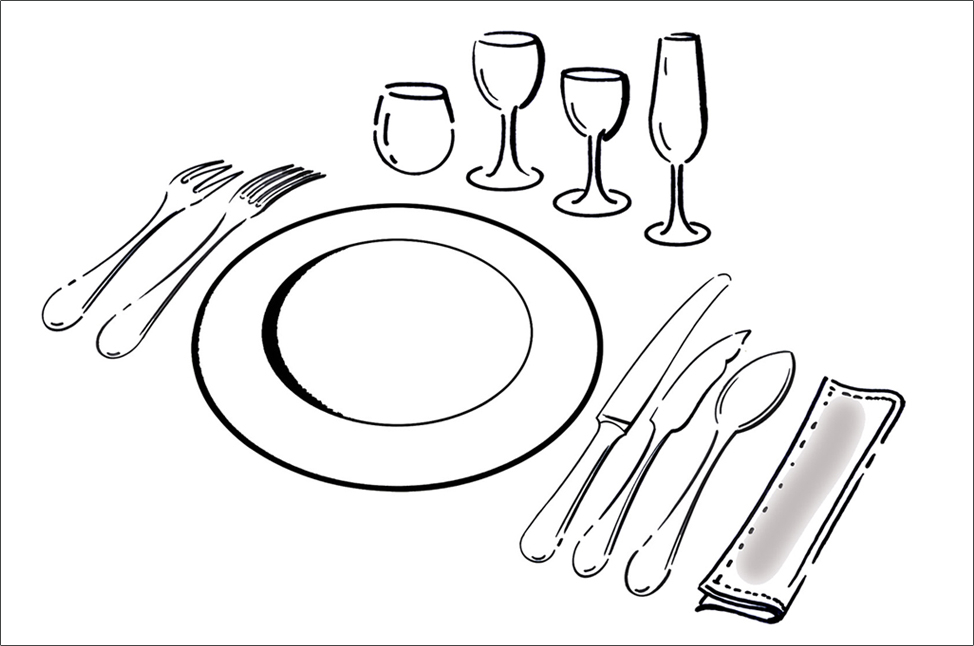
A basic five-piece setting is laid out on the table in order of use, in an even line, one inch from the edge of the table. The knife is placed to the right of the plate with the sharp edge pointed in towards the plate. The spoons are placed to the right of the knife. Forks are placed to the left of the plate. In France the fork is placed with the prongs facing down towards the table (the spoons are also placed facing downward); in the United Kingdom and the United States they face upwards.
To view all our collections of flatware, click here.
Party Ideas: Garden Party
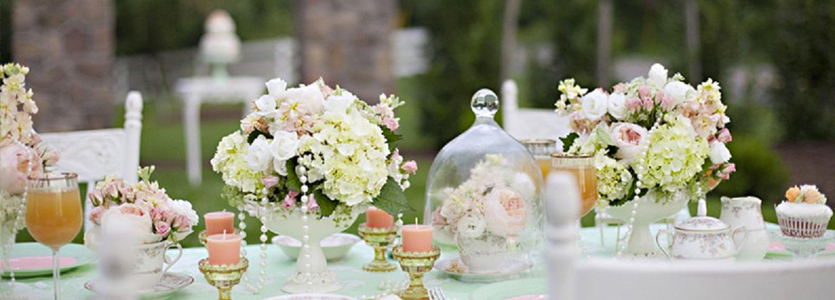
Hats, dresses, finger sandwiches, champagne and flowers. What more could one ask for? Before you invite your friends over and start preparing your menu, consider the details you want to focus on for your celebration. Flowers, candles and tea cups are quick way to set up the ambiance. If you want more inspiration, accent pieces like Rosenthal’s Butterfly Garden series (and the smell of roses) will help you be your way to a successful garden party in no time!
Garden Party Musts
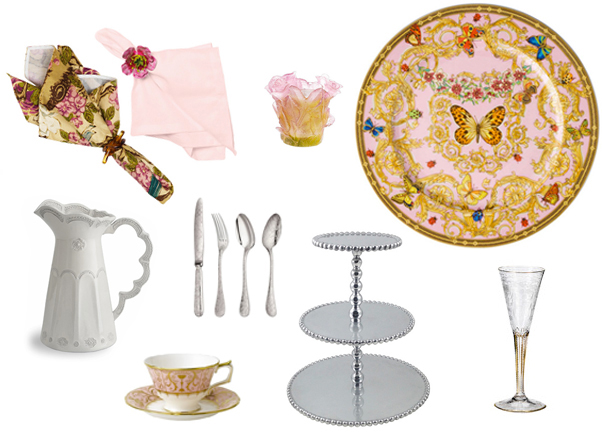
Table linens can change the entire look of any occasion. Consider the overall feel you want to achieve before selecting your table linen. Whites are a classic choice but any neutral, solid or patterned table cloth could take your party to the next level.
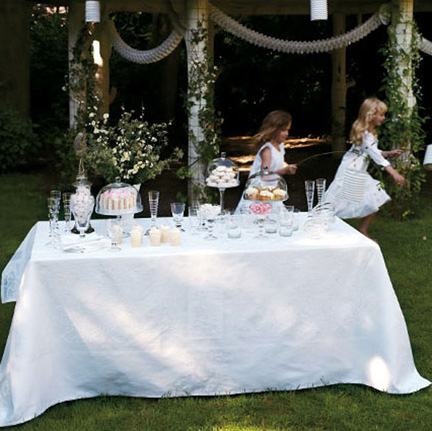
For more great Party Ideas click here!
Guide to Choosing Glassware
Setting the table with the right drinkware is like choosing the right jewelry for an outfit. The glasses will express your personal style, but they’ll also establish the tone and mood of your event.
Glassware Styles
What kinds of glassware are there?
Stemware refers to drinking glasses with a long stem between the bowl and the base. Common pieces include wine glasses and champagne flutes.
Barware includes glasses with solid, flat bases, like highballs and whiskey glasses.
In either case, the shape of each glass is designed to enhance the beverage it holds.
|
|
|
|

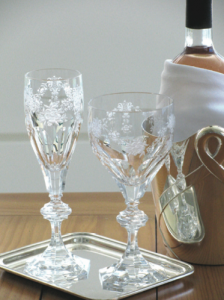
Which glasses should I select for everyday use?
Your everyday glassware should feel comfortable in your hand and be durable, dishwasher-safe, and easy to store. Simon Pearce makes wonderful everyday glasses.
Understanding Glassware Materials
Should I buy glass or lead crystal formal stemware?
It depends on the look you want. Glass is more affordable, but less brilliant. Lead crystal, which is produced by adding 24% red lead oxide to glass, is heavier, more clear, and more brilliant. The addition of the oxide also softens the raw material, so lead crystal can take on more intricate cutwork and designs. High-end stemware is usually made from lead crystal.
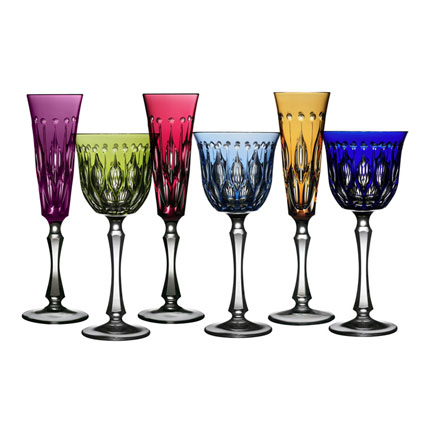
Suggested Quantities
What shapes and quantities should I buy?
At a minimum, we recommend the following:
12 everyday water or juice glasses
12 formal water glasses
12 formal white wine glasses
12 formal red wine glasses
12 champagne flutes
One pitcher
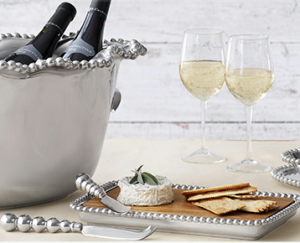
One wine bucket
One wine opener
One ice bucket
What other complimentary pieces do I need?
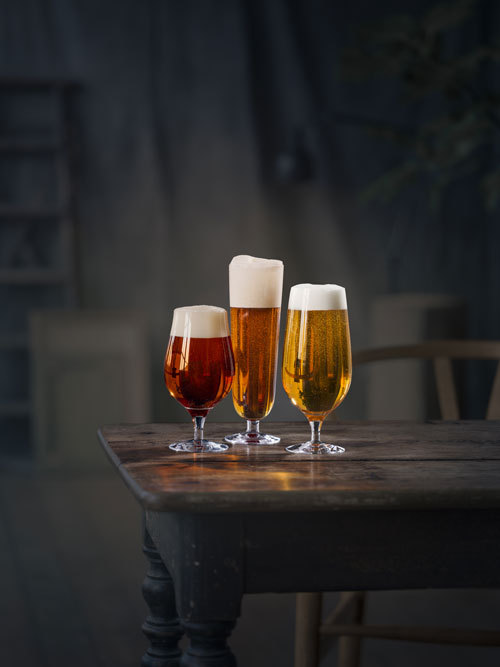
Other popular options include beer mugs, rocks glasses (like double old fashioned), cocktail glasses (like martini glasses), shot glasses, and brandy snifters. For cocktail parties, additional pitchers, carafes, and decanters are elegant serving items to stock in your bar.
|
|
Caring for Glassware
How do I care for my stemware?
Fine stemware should be washed by hand and dried with a lint-free cloth. Never use steel wool or abrasives on your stemware. We do not recommend using the dishwasher for any crystal stemware.
How do I store my stemware?
Stemware should be stored right side up to protect the rims of the glasses from breakage. We recommend placing fine stemware near the backs of your shelves to protect them from accidental handling.

Completing Your Set
How do I lay out my dinnerware and stemware?
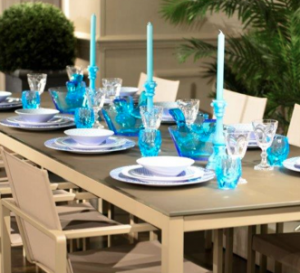
Place the presentation plate directly in front of each guest’s chair. Next, set the dinner plate directly on top of the presentation plate. The bread & butter plate should be placed at a 10:00 angle to the dinner plate. The water glass should be at the 1:00 angle from the dinner plate and just above the knives. The wine glass is then placed directly the right and below the water glass, and the champagne flute then further to the right and above the wine glass (thus forming a small triangle).
To view more bar and glassware collections, click here.
Guide to Choosing Dinnerware
Selecting a dinnerware collection is an exciting task! With a myriad of options to choose, we at Gracious Style are here to help narrow your search, and find the style that is perfect for you. Whether you are looking for formal china, or fun, everyday essentials, we break down the basics and answer any questions that may arise.
|
|
|
|
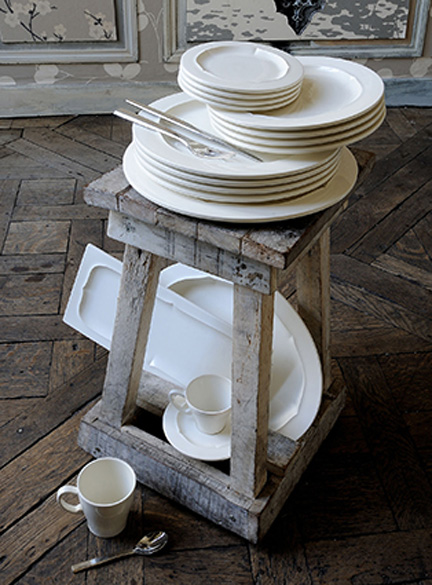
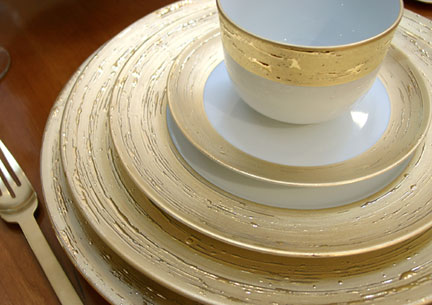
Understanding Dinnerware Materials
What are the different types of materials used to make dinnerware?
Luxury dinnerware is usually made of either porcelain or bone china. Casual dinnerware is made from earthenware or stoneware because these are usually more durable, easier to care for, and lower in price.
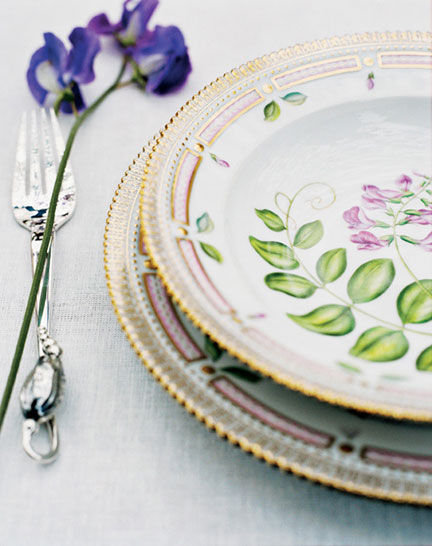
– Porcelain: The key ingredient, kaolin, is what makes porcelain so extraordinary. Fired at a the highest temperatures, porcelain combines a stark white appearance with incredible durability to make timeless pieces that will last in beauty and reliability for years to come. Well-known names to consider include Raynaud, Haviland, and Philippe Deshoulieres. And if you appreciate hand-painted porcelain, Herend and Anna Weatherley make beautiful pieces.
Care: Most porcelain items are dishwasher and microwave safe. We recommend hand washing for larger pieces, handpainted collections, or items with gold or platinum decoration. Items with metallic decoration should not be microwaved.
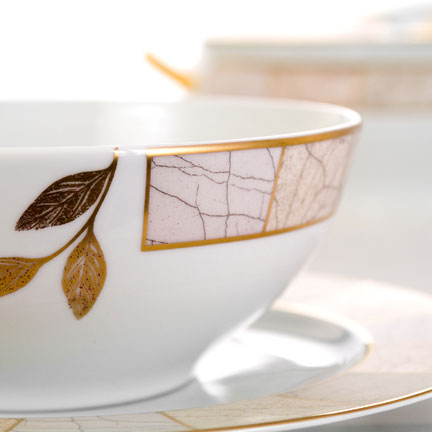
– Bone China: This is a very fine, soft-paste clay that is made from several key ingredients, including bone ash. The result is a beautiful, high translucency white with warm, ivory tones. Considered by many to be the finest quality of china, it has great strength and very high chip-resistance. Brands we suggest: Pickard, Royal Crown Derby.
Care: Most bone china items are dishwasher and microwave safe. We recommend hand washing for larger pieces or items with gold or platinum decoration. Items with metallic decoration should not be microwaved.
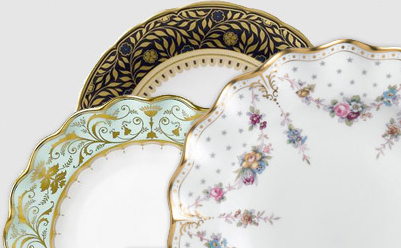
– Stoneware: Ideal for casual dining, stoneware is fired at very high temperatures to produce pieces which are durable and quite chip-resistant. Available in a numerous range of colors, some pieces also have beautiful crackled surfaces. Brands we suggest: Gien, Jars, Juliska, Vietri.
Care: Dishwasher, microwave, oven, and freezer safe.
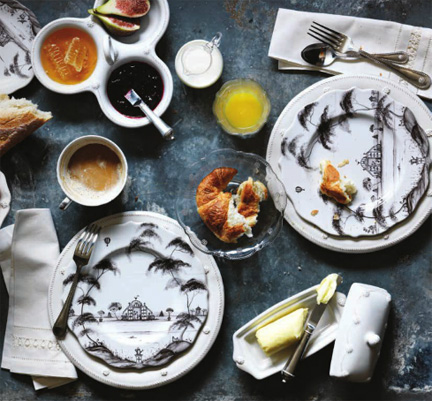
– Earthenware: as it is fired at relatively low temperatures, this type of pottery is more porous and less translucent than either porcelain or bone china. These pieces are relatively thick and heavy, and their natural colors range from from buff to red, depending on the clay used. A much-beloved characteristic of earthenware is that it is likely to crackle as the clay expands and contracts, but this does not affect the use of the piece. Brands we suggest: Vietri.
Care: Dishwasher safe; most are microwave safe on low to medium settings. We recommend avoiding sudden temperature changes.
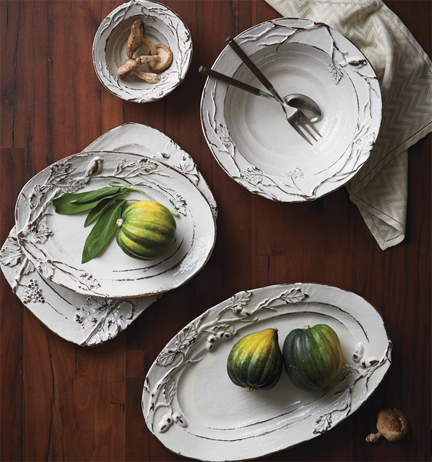
What is Limoges porcelain?
Limoges refers to a region in France where some of the earliest porcelain pieces were produced as far back as 1765. For centuries, the name Limoges has represented the finest quality and craftsmanship in porcelain throughout the world. Limoges porcelain is very white; most of the best-known producers of French porcelain are based in Limoges.
What are some simple ways to determine quality in dinnerware?
You can determine the quality of porcelain and fine china with a few simple tests:
– Hold the piece up to the light and you should be able to see the shadow of your hand behind the porcelain.
– Flick the plate with your fingers and listen for a resonant ring.
– Examine the color and make sure the glaze is even; the finish should be smooth and lustrous.
|
|
|
|
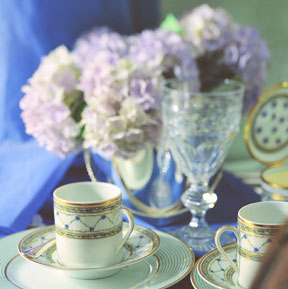
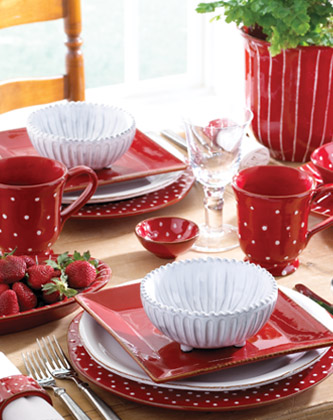
Dinnerware Styles
What dinnerware styles are available?
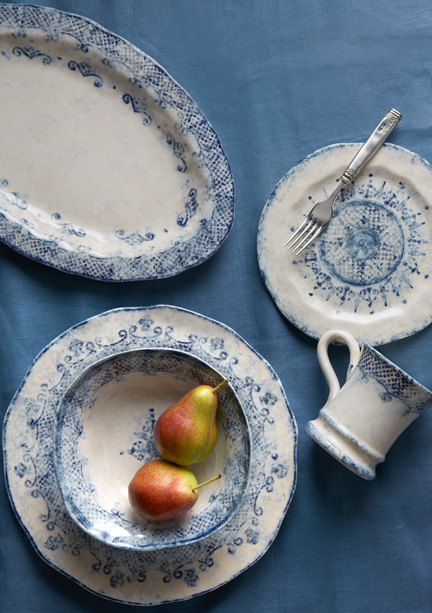
Generally, dinnerware is broken down into casual and formal collections. From there, you can choose between four major styles: solid (meaning one color throughout, with no pattern), banded, patterned, and handpainted.
If you’re looking for something with a monogram or in a specific color, take a look at our custom dinnerware collections.
And for outdoor entertaining, there are also outdoor dinnerware collections available.
Suggested Quantities
How many dinnerware collections do I need?
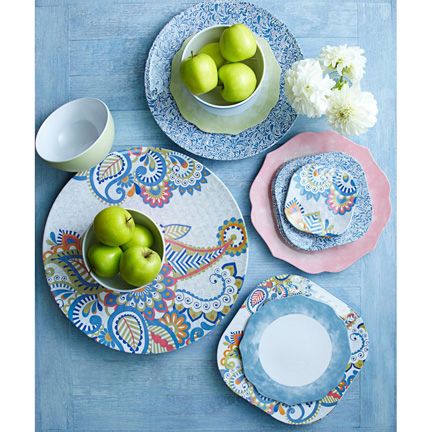
In making this decision, we suggest considering the size of your family, the type of entertaining you are most likely to do (formal seated dinners or buffet brunches), and the complexity of your menus. Many people choose to have at least one casual collection for everyday use and one formal collection for selected occasions (usually porcelain).
How many settings do I need?
We recommend registering for twelve five-piece place settings, as these will see you through most dinner parties. These five-piece settings typically include a dinner plate, salad or dessert plate, bread and butter plate, tea cup, and tea saucer. On more casual collections, you will sometimes see four-piece settings available. These normally include a dinner plate, salad plate, bowl, and mug. While you may not always be entertaining for twelve, having additional pieces will guarantee that you have spares when items break or unexpected guests show up. From time to time, collections or specific pieces do get discontinued, so if you love a piece, buy it while you can.
What is included in a five-piece place setting?
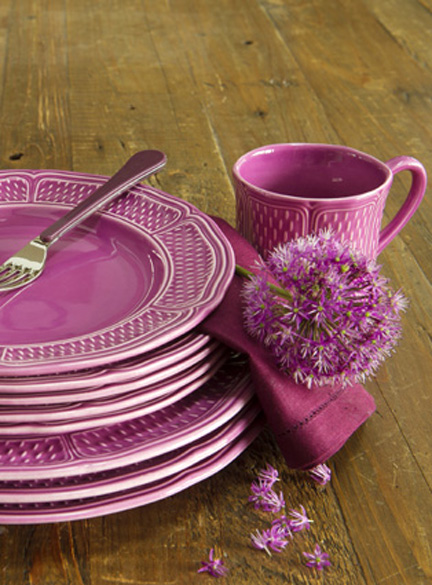
A five-piece formal setting consists of a dinner plate, salad plate, bread/butter plate, teacup, and saucer.
What is included in a four-piece place setting?
On more casual collections, you will sometimes see four-piece settings available. These normally include a dinner plate, salad plate, bowl, and mug.
|
|
|
|
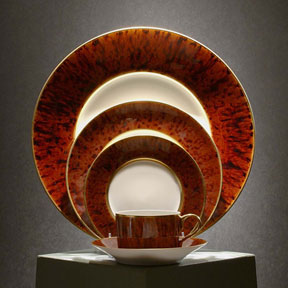
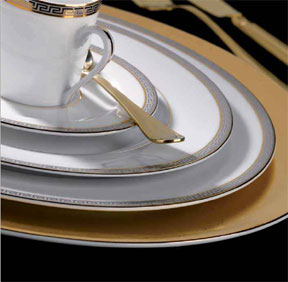
What are standard dinnerware sizes?
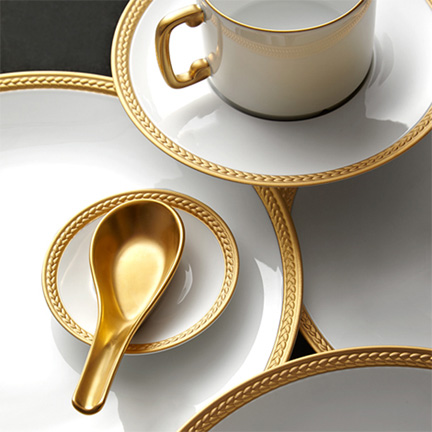
Sizes sometimes vary slightly among different collections, but they are generally as follows:
| Presentation Plate | 12″ diameter |
| Dinner Plate | 10.5″ diameter |
| Dessert Plate | 8.5″ diameter |
| Salad Plate | 7.5″ diameter |
| Bread/Butter Plate | 6.75″ diameter |
What is a presentation plate?
Also known as chargers or buffet plates, presentation plates are oversized plates (12″ diameter) designed to add color and style to your table setting. These are usually removed before the main course is served, although they are also frequently used as buffet dinner plates since they can hold larger quantities of food.
What kinds of serving pieces do I need?
When registering for dinnerware, it is easy to overlook serving pieces. However, these items are not only great for unifying your collection, they are necessities that will be essential for cooking, entertaining, and everyday dining. We recommend the following as a starting point:
– Two to three serving dishes
– Two serving bowls or salad bowls
– One covered casserole dish
– One cake platter (or better yet, a cake stand for a better presentation)
– One tea and/or coffee service (this should include the teapot or coffee pot, creamer, and sugar bowl)
Caring for Dinnerware
How do I care for my dinnerware?
Most dinnerware items are microwave and dishwasher safe, unless they are decorated with gold or silver. We recommend hand washing for larger pieces, handpainted collections, or items with gold or platinum decoration. Items with metallic decoration should not be microwaved.
|
|
|
|
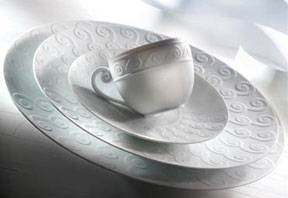
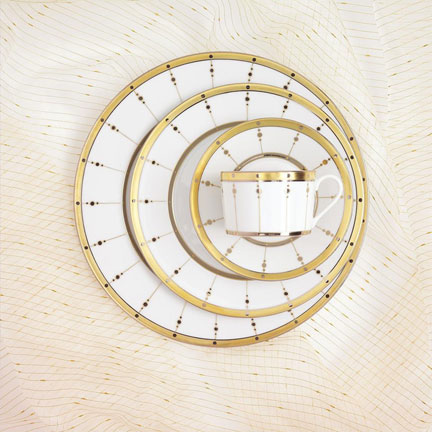
Monogramming
How should I monogram my dinnerware?
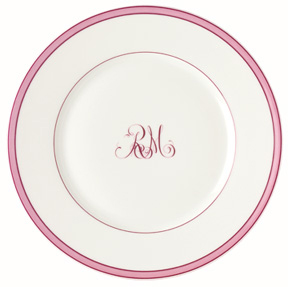
If you choose to have your dinnerware monogrammed, consider several different options. Single-letter monograms usually feature the first initial of the last name. On three-letter monograms, most individuals choose to have their first, middle, and last or first, last, and middle initials embroidered. For married couples, a popular choice is the initials of the couple’s first names on either side of their married last name.
|
|
|
|

Would you like to see more styles? Click here to view all our dinnerware collections.
Royal Inspiration: A Herend Wedding Cake!
Herend‘s beautiful dinnerware and precious figurines have been inspiration for tables, displays and gifts for centuries. For South Carolina couple Mary Mungo and Ross Dubisky, their love of the Queen Victoria Dinnerware resulted in this spectacular wedding cake:
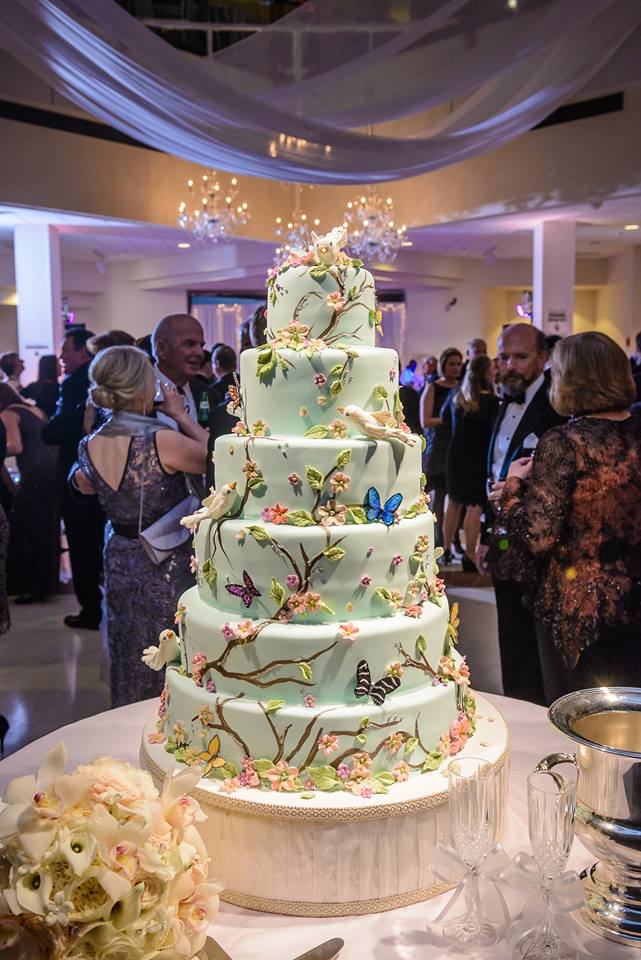
Adorned in delicate flowers and darling birds and butterflies, this cake is a work of art! Our warm congratulations and special thanks to the newlyweds for sharing this with us. Take a look at some of the pieces that spurred their imagination:
|
|
|
|
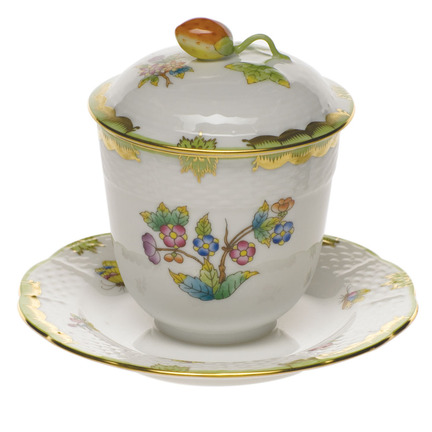
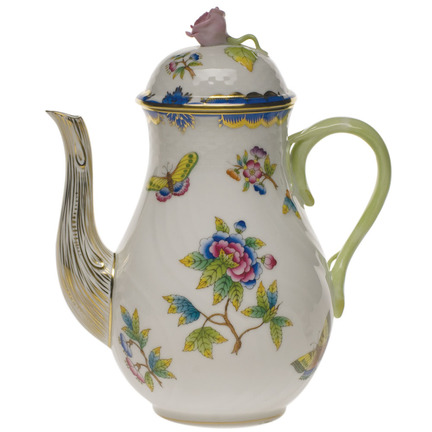
For more stunning collections, visit our Herend Shop!
Raynaud’s Tresor Dinnerware
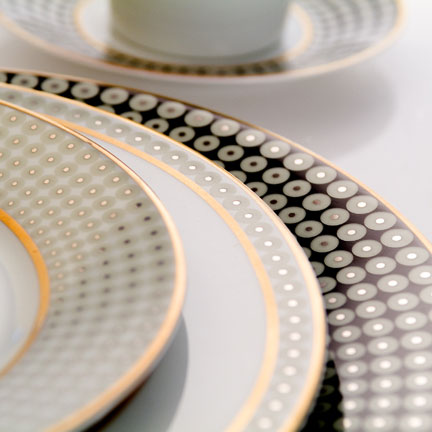
Inspired by a vintage cup designed in the Raynaud archives, Mariela Schwarz Montiel’s Tresor collection is a modern line with a fluid and feminine spirit. Plates are flat and rimless, while shaped pieces like tea pots and tureens are sleek and generously sized. Mariela, a French-based footwear and accessories designer, chose colors that reminded her of her travels to India.
With three different patterns, each in four colors (Tresor Beige, Tresor Brown, Tresor Orange and Tresor Turquoise,), the possibilities for mixing and matching are endless.
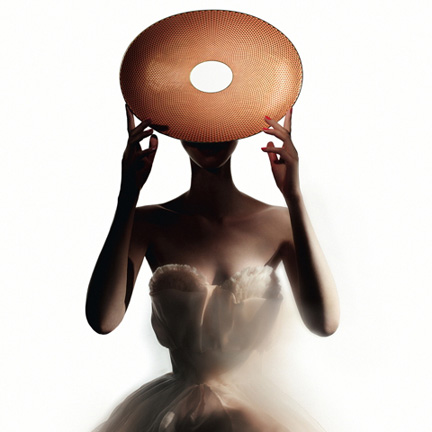
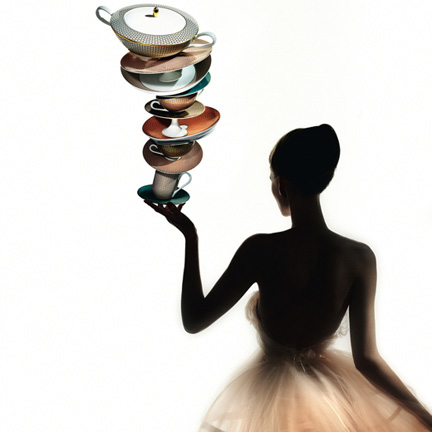
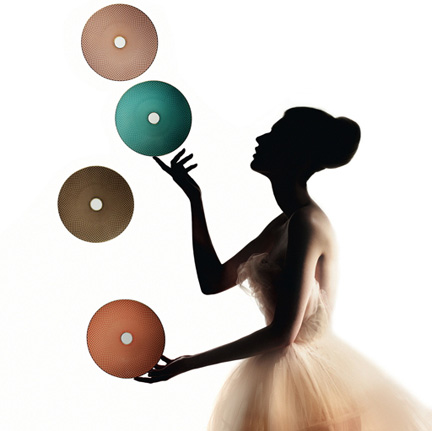
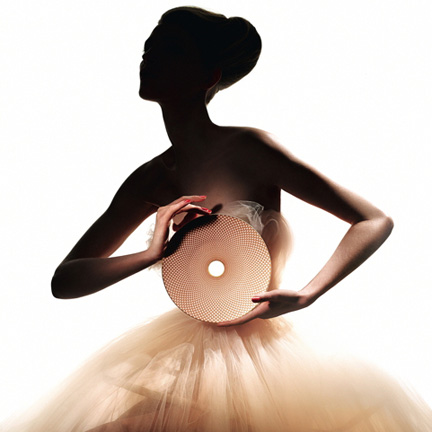
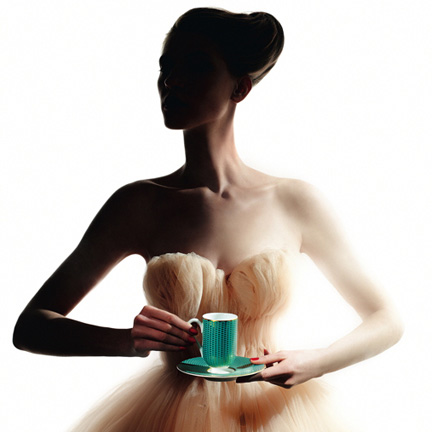
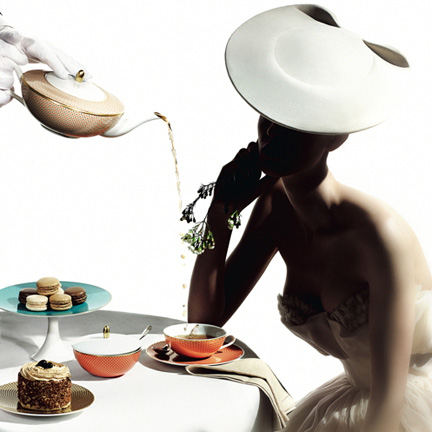
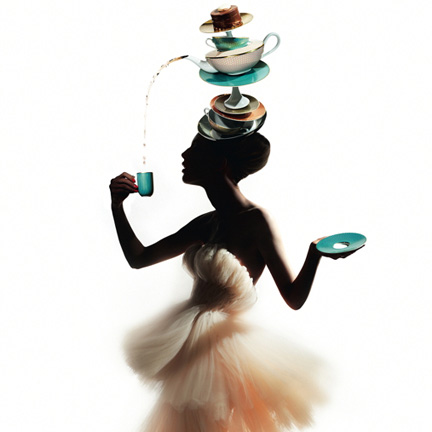
Chic, n’est-ce pas?
As Seen In Occasions Weddings Magazine
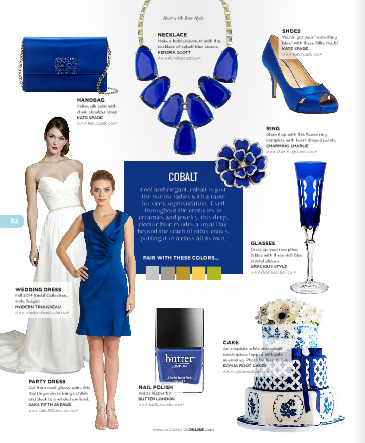
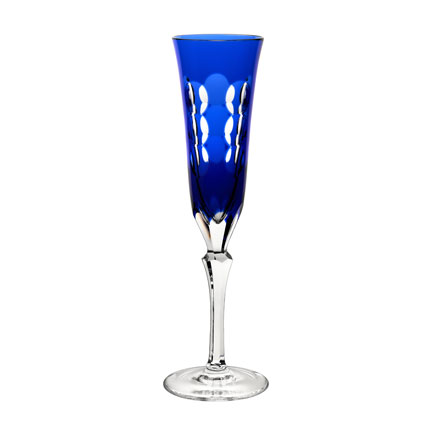
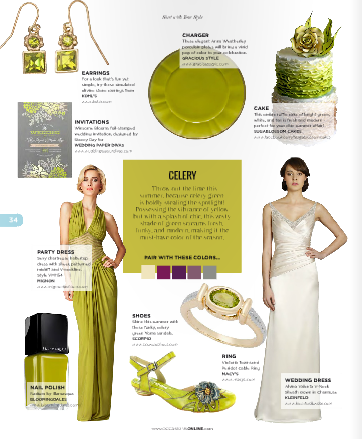
When it comes to weddings, Occasions Magazine is a great resource. From balancing your budget to coordinating your color scheme, you will find all the tools and tips you need for smooth sailing to your big day. So when they asked to feature our Christofle Kawali Blue Champagne Flutes and Anna Weatherley Celery Green Chargers for their Summer 2014 color guides, we were thrilled to take part!

Featuring two daring yet sophisticated color stories, Occasions showcases these two extraordinary items in their Cobalt and Celery spreads, showing the versatility of these must-have summer hues.
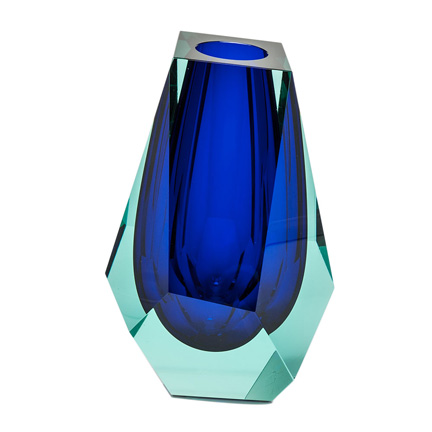
“Used throughout the centuries in ceramics and jewelry, this deep, electric blue exudes a royal flair beyond the reach of other colors, putting it in a class all its own”
 |
|
“Possessing the vibrance of yellow but with a splash of chic, this zesty shade of green screams fresh, funky and modern, making it the must-have color of the season”
 |
|
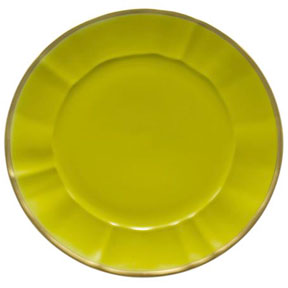
Looking for more great ways to use cobalt and celery? Here are some of our favorites:
|
|
|
|
|
|
|
|
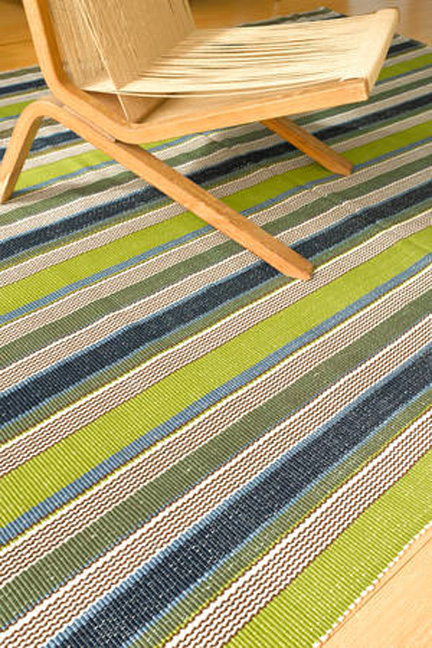
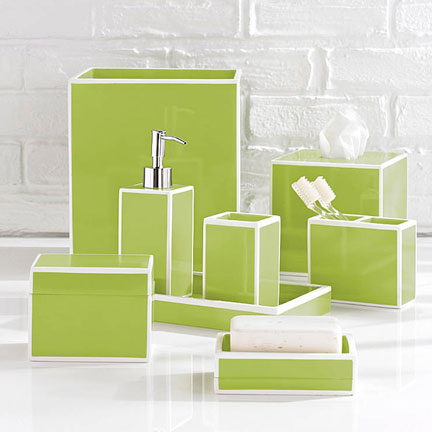

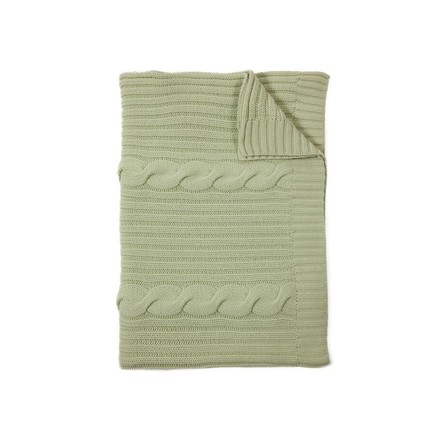
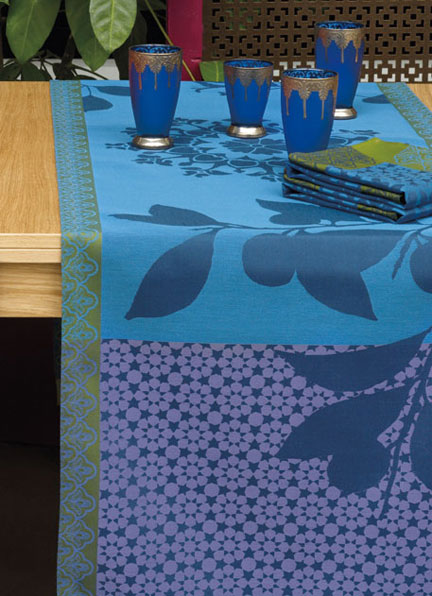
Fresh-Squeezed, Summer Style: Decorating with Citrus Hues
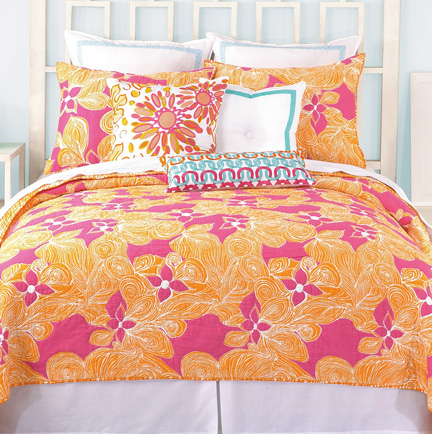
Summer is on the horizon, and we’re captivated by the citrus palettes making a splash on the design scene! From tangerine to grapefruit, pops of punchy colors are perfect for adding a tangy twist to traditional interiors. Combine two or more extroverted hues, like lemon with lime, for a juicy, ‘Happy Chic’ look, a la Jonathan Adler or Trina Turk.
Here are some of our favorite picks this season:
For al fresco dining, nothing beats the chic but practical acrylic drinkware from Mario Luca Giusti. We love how artistic the Palla Fluo pitchers look en masse …
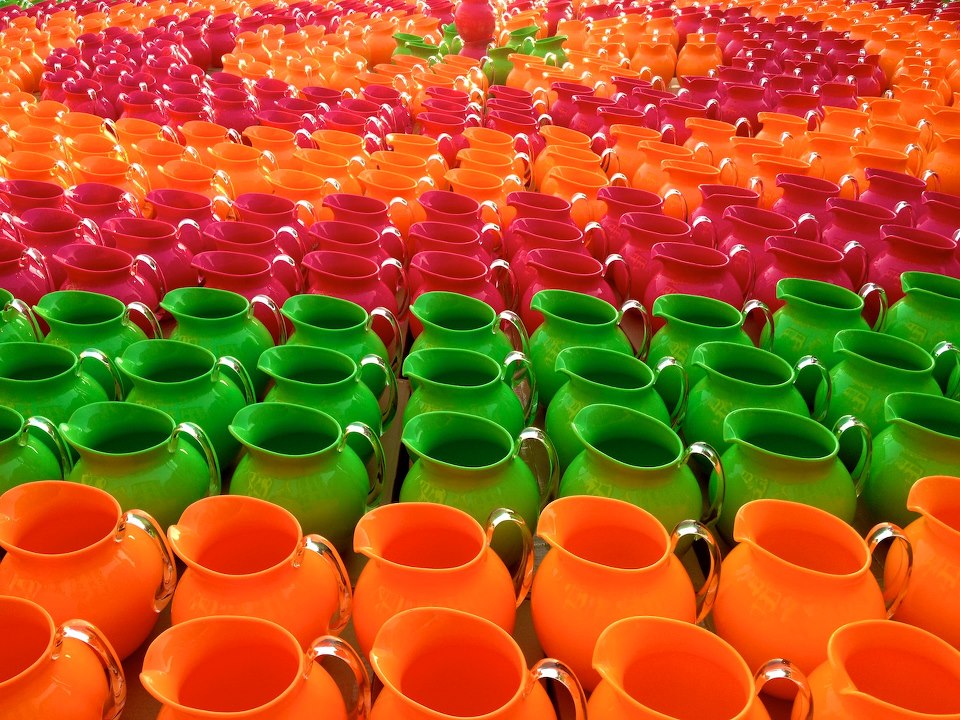
… and how easily they can brighten anything up – even an ancient Italian cobblestone courtyard!

Sprinkle your interiors with these citrus accents for a bright, modern, and peppy aesthetic.
|
|
|
|
|
|
|
|
|
|
|
|
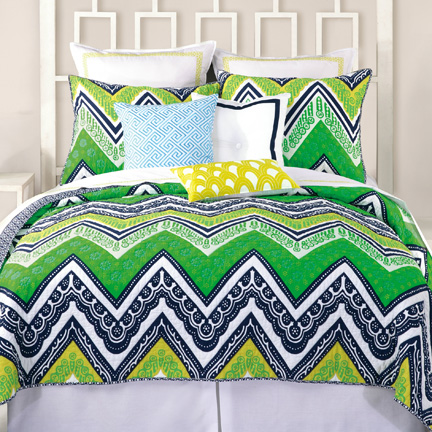
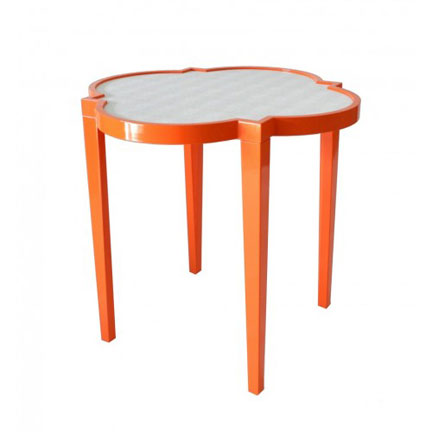
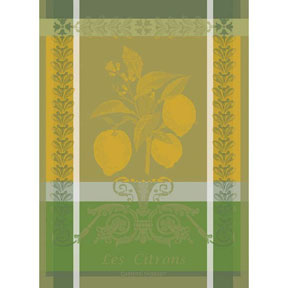
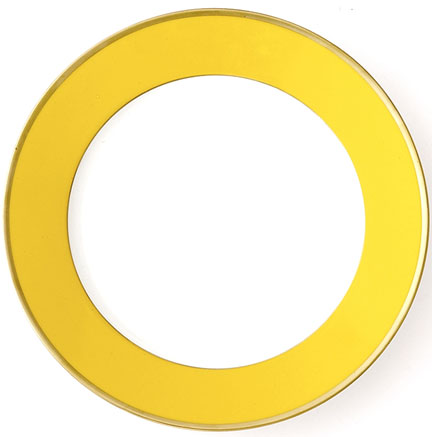
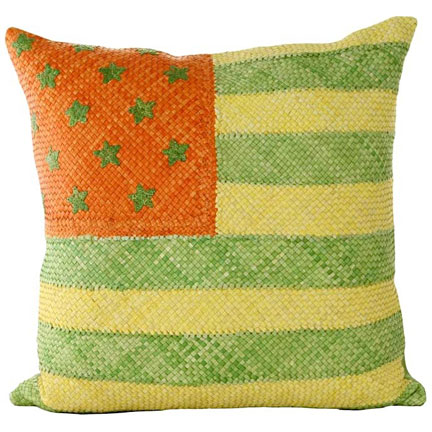
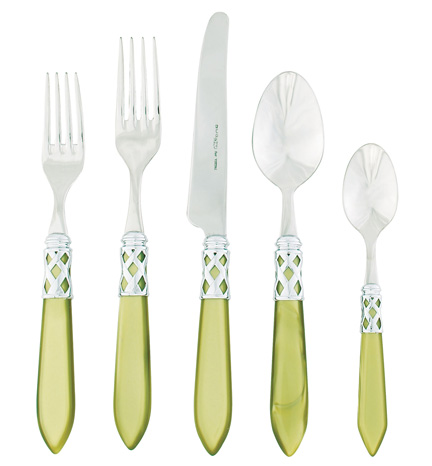
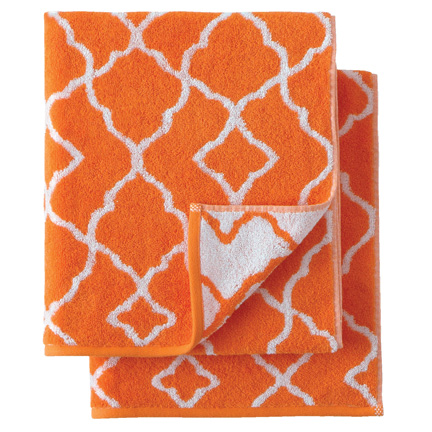
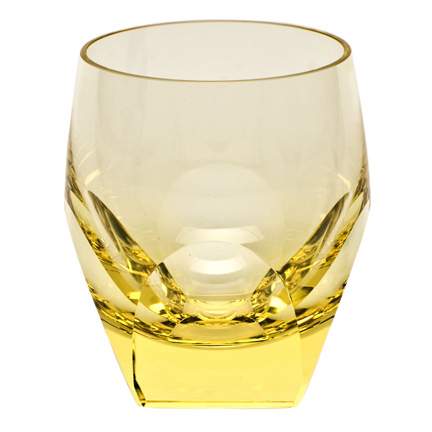
We’re in a happy mood just looking at this trend!
An Introduction to Aristocracy: Herend’s Debut at the First World’s Fair
While it is clear that Herend‘s Queen Victoria Dinnerware pays homage to this famous monarch, it was actually her husband Albert who first introduced her to this once-small Hungarian company.
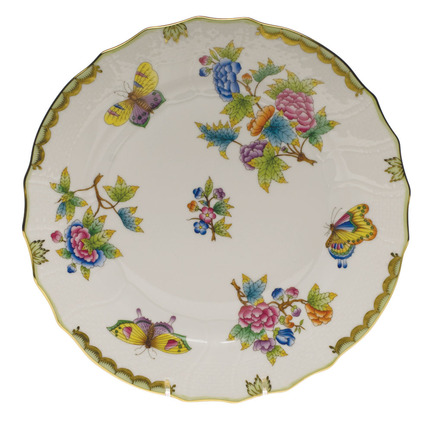
In Herend‘s Fall 2012 Insider, they recount this historical time…
Albert was born as a prince in Germany. But because his family was neither wealthy nor powerful, he was looked down upon as an interloper in British society. Yet the harsh public assessment didn’t curtail his devotion to helping his wife serve as monarch and advising her on political and diplomatic affairs. Prince Albert became viewed as a progressive voice at a crucial time, and he earned respect for his intellect and interest in helping society improve.

Thanks to his penchant for technology and his astute sensibilities on moving Britain forward, he was the pivotal force behind a venue that happened to propel a little-known Hungarian product line named Herend to the fore. That venue was the first World’s Fair.

As history goes, it was at this Great Exhibition that Prince Albert’s wife discovered a porcelain pattern she adored and wanted for her own. Queen Victoria’s large purchase of the set led Herend to name the pattern after her. Thus began Herend’s foray into the high ranks of the aristocracy, setting the stage for more of the same worldwide.
Later, at the Paris Exposition of 1867 – recognized as the third World’s Fair – Herend’s Indian Flower Basket pattern was selected for the table settings at an exclusive reception in the Elysee Palace to honor Emperor Franz Joseph. An invited guest, Hungarian Count Albert Apponyi was struck by the pattern and imagined it with the dominant peony motif enlarged and basket removed to create a simpler yet equally elegant design.
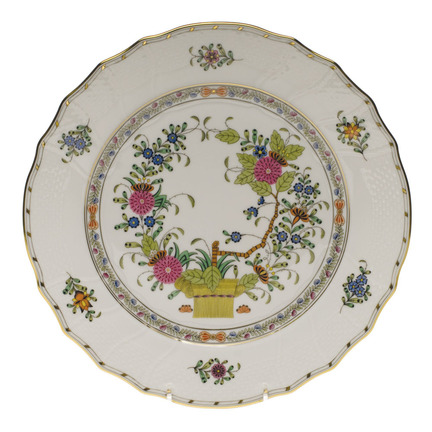
His order of a custom set per his vision resulted in a design that Herend named Apponyi in the Count’s honor. Known in the U.S. as Chinese Bouquet, the pattern remains one of Herend’s most successful collections year after year. Many iterations of the pattern have been successfully introduced since then, the most recent being Chinese Bouquet Garland (introduced in 2013).
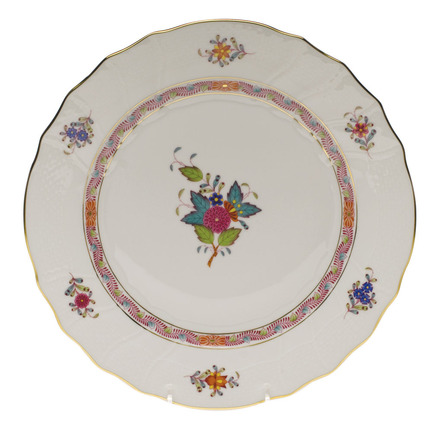
While Prince Albert’s contributions to Britain and the world are numerous and well documented, his provision of a key forum for Herend to shine isn’t mentioned among them. As far as Herend is concerned, though, it is high time for a hats off to “the great man behind the great woman”.
For more beautiful dinnerware patterns, visit our Herend Dinnerware Shop.
Introducing Mariposa: Entertaining Pieces Made from Recycled Materials
Mariposa began 1984, when founder Livia Cowan found herself driving through Mexico with her sister in this camper.

There, they delighted in visiting different artists and learning about their craft. In particular, they loved how local artisans recycled materials to create beautiful new products.
At the end of the trip, Livia returned to her home in Massachusetts with her camper full of recycled glassware and set up shop in her parents’ garage.
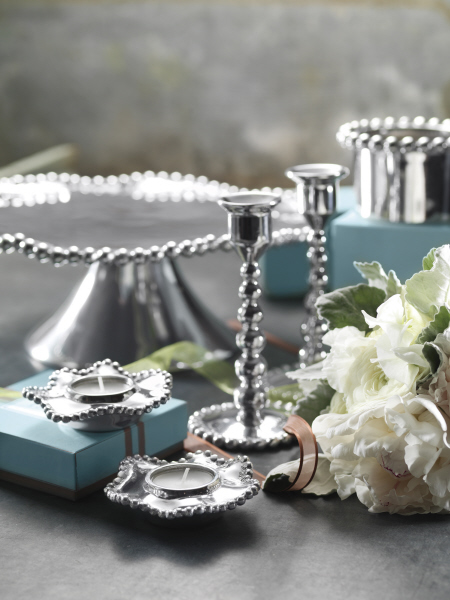
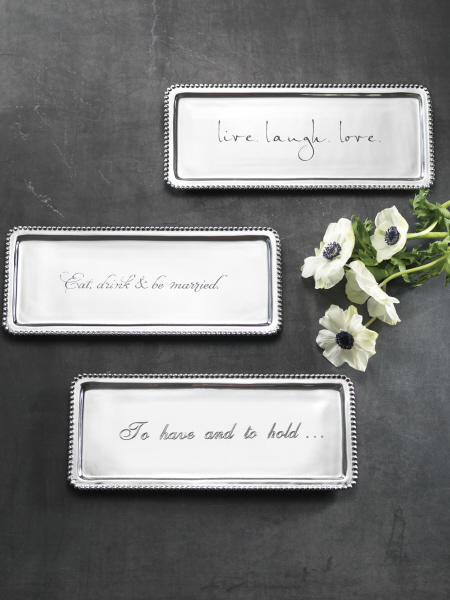
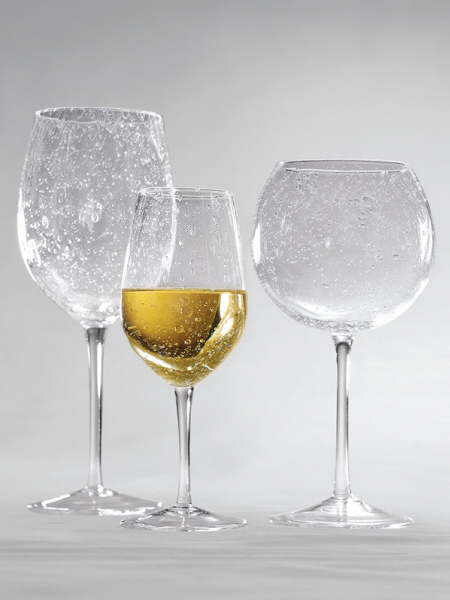
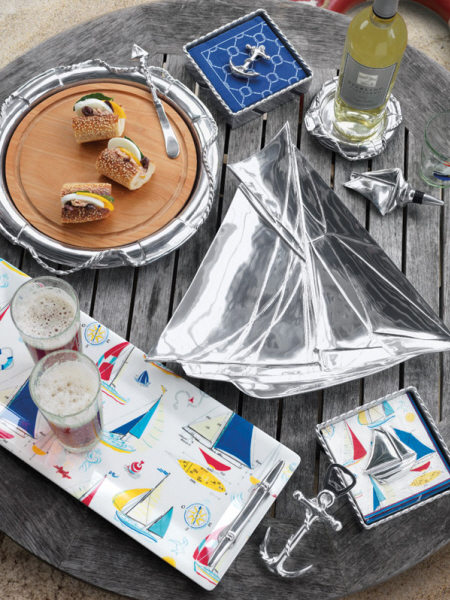
In the thirty years since then, Mariposa (Spanish for “butterfly”) has become a world of stunning pieces for gifting and entertaining. And, just as they were in the early days, the majority of their products are still handcrafted from 100% recycled aluminum and glass soft drink bottles.
It’s a collection that’s right for today and tomorrow.
Here are a few of our favorites: String of Pearls (designed by sculptor Michael Updike, who incidentally is author John Updike’s son) …
… their engraved trays (perfect for weddings and anniversaries) …
… Bellini drinkware (for when you need something nice, but not too precious) …
… anything nautical …
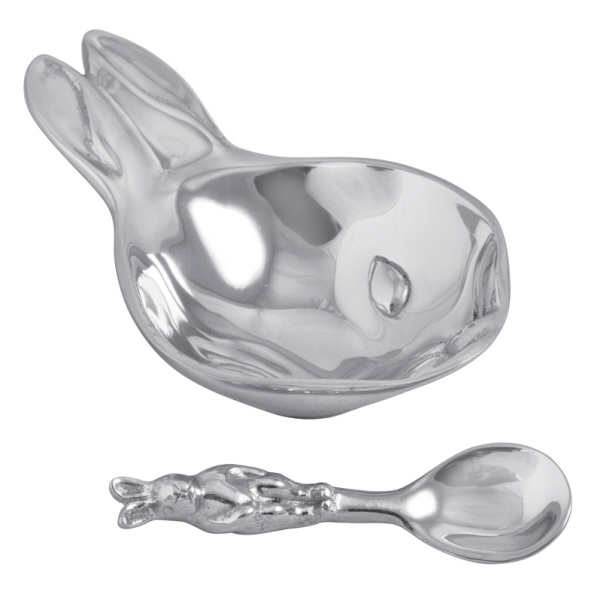
… and their adorable Bunny Porringer set!