
Save to...
Green Sweet: An Easy Care Solution for Stain Repellant Linens
For nearly two hundred years, Garnier-Thiebaut has been creating exquisite linens for the home. But it is Green Sweet, their recent innovation in fabric technology, that is most exciting to the busy, modern family.
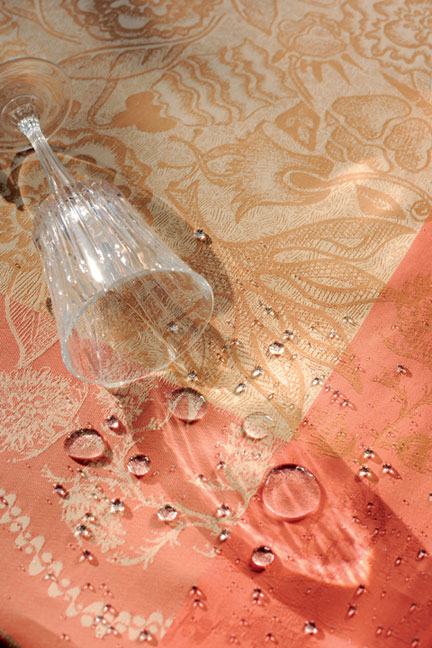
What is Green Sweet?
Green Sweet is a revolutionary treatment which makes linens stain resistant.
Does Green Sweet affect the way my linens feel?
No. Green Sweet does not affect the look and feel of linens, so textiles stay equally soft and breathable.
What happens when liquids spill on my Green Sweet linens?
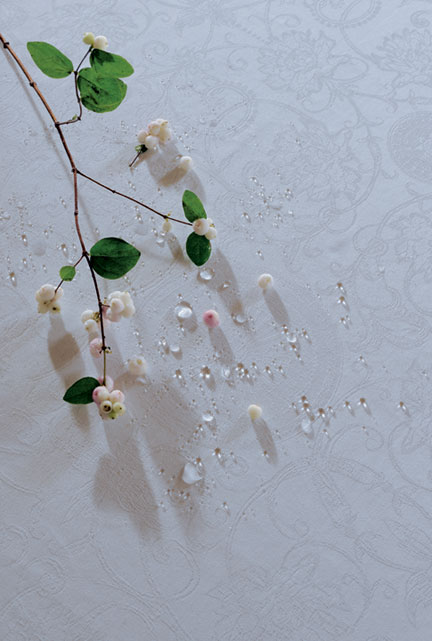
Liquids will puddle on the surface, so you can simply wipe them off.
How is Green Sweet applied to fabrics?
Each fiber is coated in the stain-resistant treatment before it is woven into fabric to ensure the entire cloth is fully saturated.
Can I wash my Green Sweet linens?
Absolutely! They can be washed the same way as regular linens, but you won’t need to launder them as often since they will remain clean for longer.
Can I iron my Green Sweet linens?
Yes. The heat of the iron reactivates the Green Sweet treatment, so it is good for Green Sweet linens to be ironed.
Can you show me what happens when there are spills?
Take a look at how these linens react to jam, fruit juice, water, and even red wine!
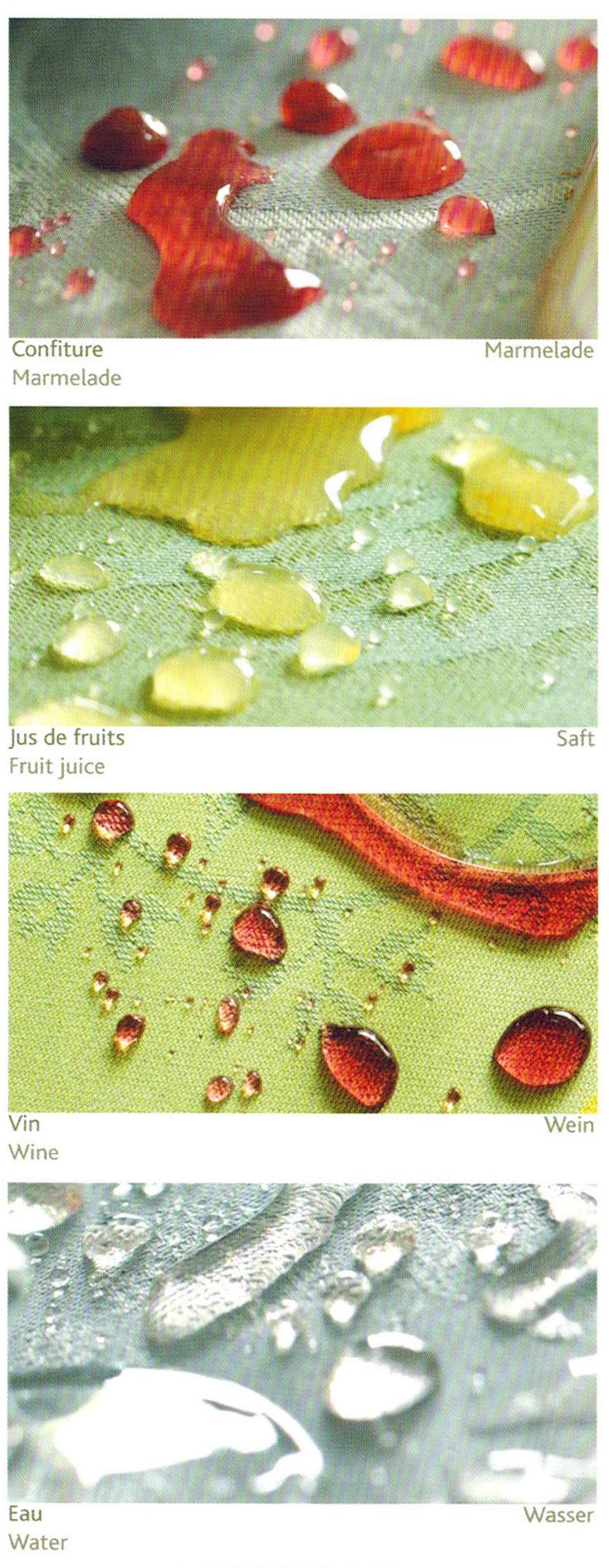
Want to see more? Click on the video below for a demonstration:
Why is it called Green Sweet?
Green refers to the non-stick and self-cleaning process of certain plants. Sweet stands for Simple to clean, Waterproof, Economic maintenance, Environmentally friendly, and Textile touch.
Now, it’s time to try one for yourself! Here are a few of our favorites:
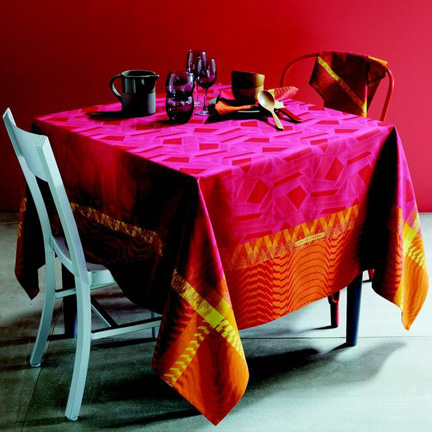
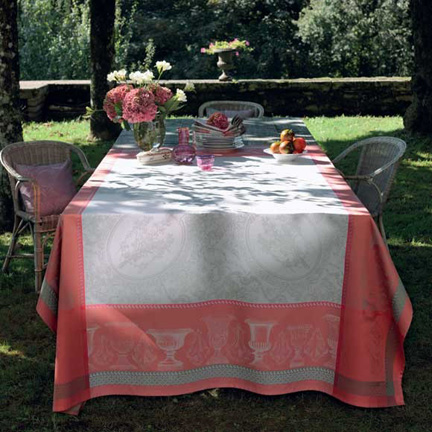
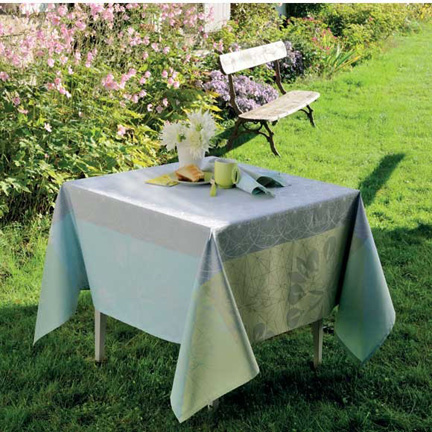
Have you tried Garnier-Thiebaut‘s incredible Green Sweet linens yet?
Collecting the Tang Dynasty Horse
This is a true story:
In 1989, the British Rail Pension Fund showed the finest Tang Dynasty porcelain horse ever found at a Sotheby’s Hong Kong Auction. That same night, thieves broke into the Sotheby’s warehouse, held the staff at knife point, and made off with the horse. The heist made headlines around the world, and the Hong Kong organized crime squad was called in. They set up a sting operation, pretending to be buyers, and recovered the stolen horse. It was then transported in a convoy of seven armored cars and sent to London, where on December 12, 1989, it sold for a record-setting 3.74 million pounds, or $6 million ($10.7 million today after inflation) to an art dealer from Tokyo.
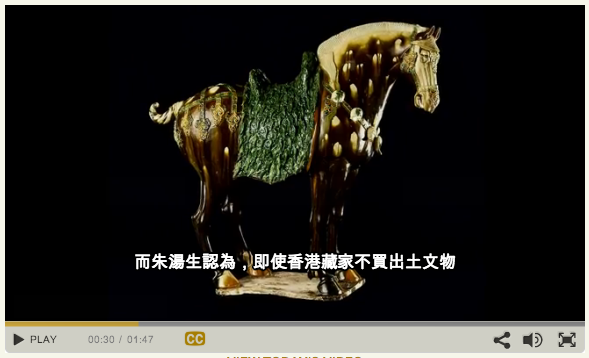
Such excitement is just another page in the history of the legendary horses. During China’s Tang dynasty, horses were loved and revered as symbols of imperial power. Emperors and noblemen gave them names like “Wind” or “Dragon.” Poets rhapsodized about them. Artists created porcelain horses that captured their strong, muscular builds in life-like poses. Merchants, on the other hand, were forbidden from riding horses — such a noble creature was not to be wasted on the ostentations of the merely wealthy.
Today, Tang horses are among the best-known Chinese art. Relatively ordinary ones are selling for about $250,000, while a premium pair sold at Sotheby’s in 2013 for almost $4.2 million. For your collection of Tang horses, here are some things to keep in mind:
- Most Tang horses are only 15 inches tall.
- All Tang horses are made from ceramic.
- They were made to accompany the rich and powerful in the afterlife and buried with their owners.
- Most Tang horses are equipped with full riding gear.
- Almost all Tang horses have highly stylized, combed manes and a short, upturned tail.
- They come in both glazed and unglazed versions.
- The glazed versions usually come in three colors, hence the Chinese term sancai or “Three Color” horse.
- Of the glazing colors, cobalt blue is the rarest and most prized. Only 5 percent of Tang horses have the blue cobalt glaze, which was more expensive than gold at the time.
- Tang horses have traditionally appealed more to Western than Chinese buyers, who avoided them as burial goods.
As a gallery specialist recently told The New York Times, “You want crisply defined medallions, beautifully articulated, hand-finished faux-fur saddlecloths and harnesses with bells and floret motifs. When all these elements are perfect, you’ve got a home run.”
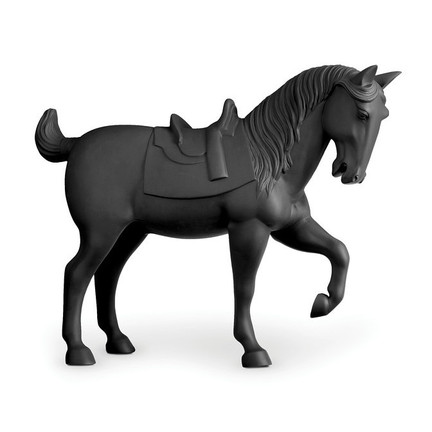
While you wait for the next one to come up for auction, here are a couple of modern versions to add to your collection. L’Objet’s unglazed Tang horse in large or medium, has a zen and modern look:
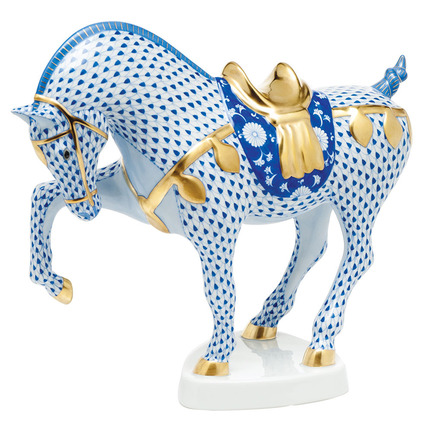
Herend’s limited edition Reserve Collection Tang Horse reinterprets the Tang original in the company’s signature sapphire blue fishnet design, with 24kt gold highlights:
Do you think today’s designers have outdone the ancient masters?
Instant Makeover: Your Pillow Personality
This outdoor courtyard from Traditional Home‘s February 2014 was a major project — just look at the inset of the before picture:
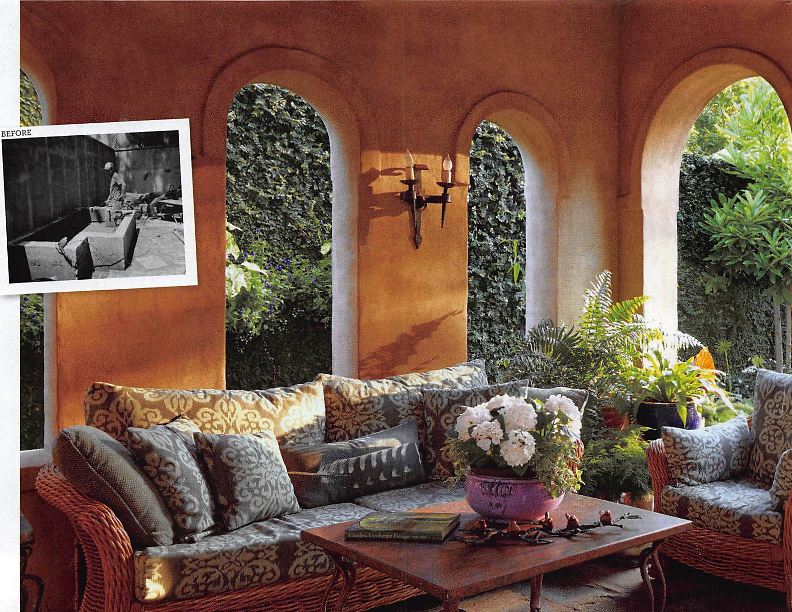
Wow! An outdoor fountain has become an indoor/outdoor living space. But for whom? The matching pillows and cushions makes this space look like a showroom. Pillows should be the most exciting part of the room, a place where you can really show off your personality and sense of style.
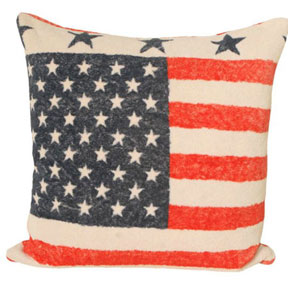
So let’s take our Pillow Personality Test — which outdoor pillow are YOU?
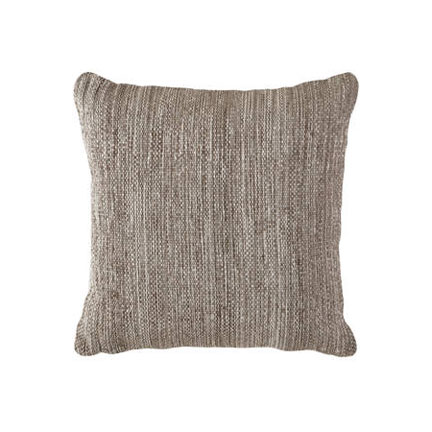
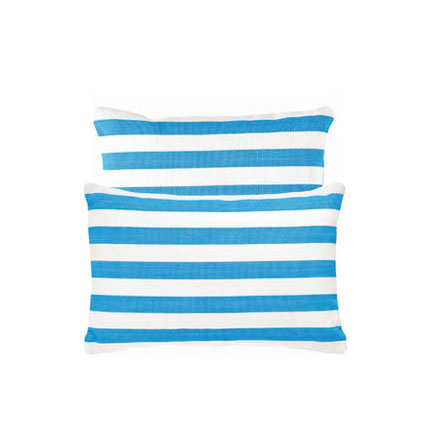
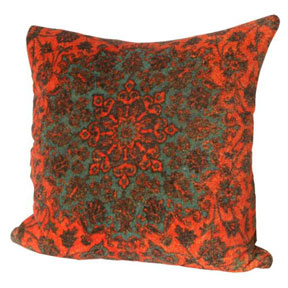
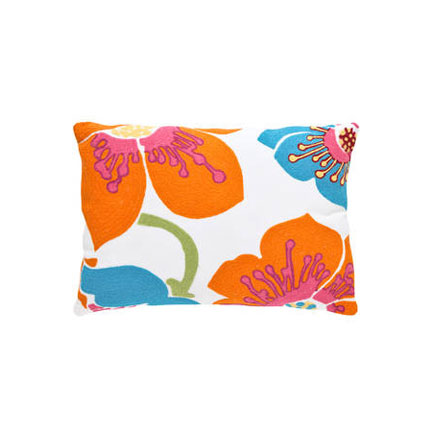
or Flag Lover?
Submit a suggestion for an Instant Makeover by commenting below or tweeting us @GraciousStyle.
What is a Matelassé?
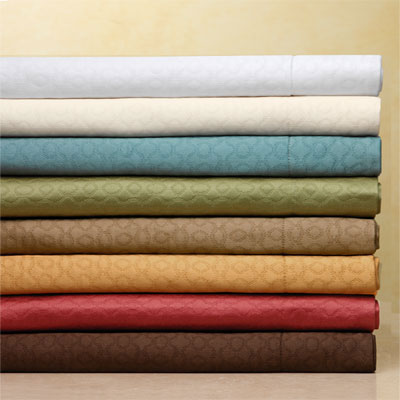
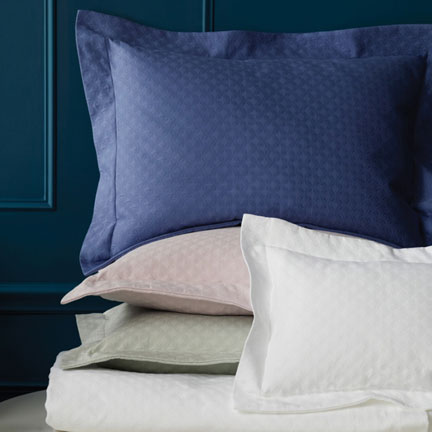
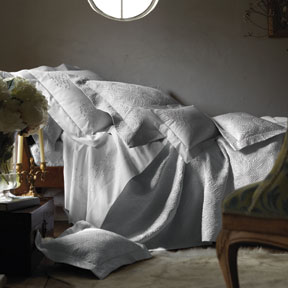
Matelassé (pronounced matt-le-say) is a French word meaning padded, lined or quilted. It is used to describe fabric that appears to be quilted, but actually has no padding within the fabric. Specialty jacquard looms are used to give a matelassé fabric a unique appearance of intricate designs, raised patterns, indentations, and the padded look often associated with quilts.
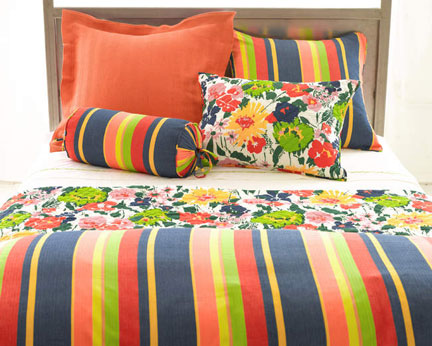
We love the luxurious warmth and the plush look of matelassé. Here are some of our favorites:
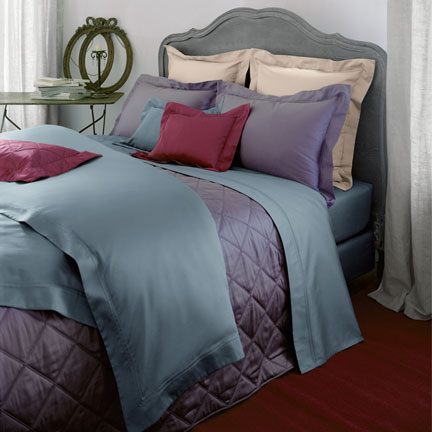
For more Matelassé, visit our Bedspreads and Quilts Shop.
How Do I Care for Christofle Silver?
Purchasing fine silverware is an important investment you want to protect, perhaps for generations to come. Since its founding in Normandy, France in 1830, Christofle’s silver creations have been prized for well over a century by serious connoisseurs, gracing the tables of maharajas, presidents, luxurious resorts, and the finest restaurants in the world. With proper care, Christofle silver will stay looking as sublime on your table as it has in royal palaces throughout the ages.
We’ve compiled an easy guide on how to care for your Christofle silver and silverplated items, to keep them pristine and exquisite throughout years of enjoyment.
Cleaning Your Christofle Silver
Wash immediately after every use.
If you are unable to wash immediately, wipe off any remaining food, and rinse in hot water. This will prevent prolonged contact with acidic substances, which can damage silver.
Hand Washing
Gently remove debris using a soft sponge and soapy water made with gentle liquid dish detergent. Never use a corrosive or abrasive product, and never let your silverware come into contact with bleach. Promptly dry with a soft cloth.
Dishwasher Safe
All Christofle flatware – including sterling silver – can be safely washed in a dishwasher, provided the following rules are observed:
- Use chlorine-free powders or tablets only. Do not use liquid or gel products, which often contain chlorine.
- If you use a water softening product in the dishwasher, avoid washing your silverware during the first cycle. Follow dishwasher instructions concerning the hardness of the water. Water with a high mineral content can be corrosive.
- Knives manufactured before 1968 must be washed by hand only.
Care for Frames
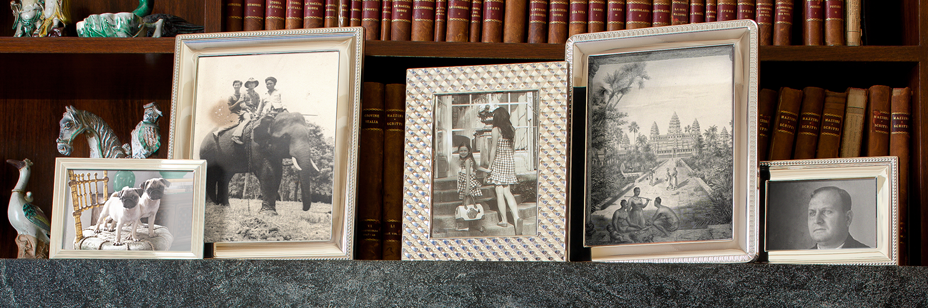
All Christofle picture frames are specially varnished with a protective coating, and do not require any special care. Do not use Christofle or household cleaning products, which could damage the finish. A soft, dry cloth is all that is needed to remove dust from varnished products.
Tarnish Removal and Polishing
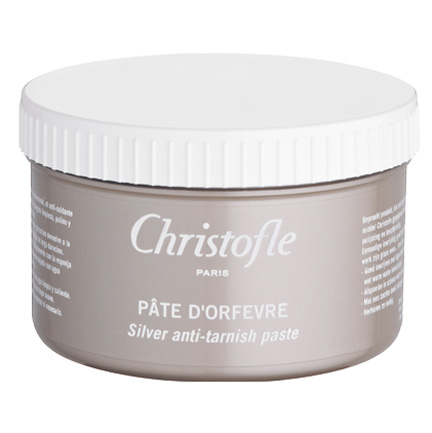
Christofle has created a variety of specially-formulated polishing and storage products to ensure the longevity of your silver. After using each of these products, rinse in clean water and wash as usual.
For daily care of all your silver items, use the Silversmith Anti-Tarnish Polishing Gloves. Infused with Christofle’s signature shine product, these gloves polish silver quickly and effortlessly, while keeping your hands clean. Never wash the Silversmith gloves.
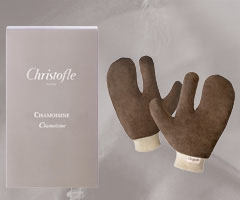
For more detailed anti-tarnish jobs, Christofle recommends using their Cream Cleaner with Sponge, which not only removes tarnish but protects from future oxidation. Follow with the Chamoisine Polishing Cloth for a lustrous shine.
Storage
Proper storage is critical to preventing silver from tarnishing. Christofle’s Anti-Tarnish Cloth Bags are made with a highly effective anti-tarnishing fabric designed to prevent oxidation and maintain shine. These brilliant storage solutions come in a variety of sizes to protect all your precious silver, from a single serving spoon to a large tray.
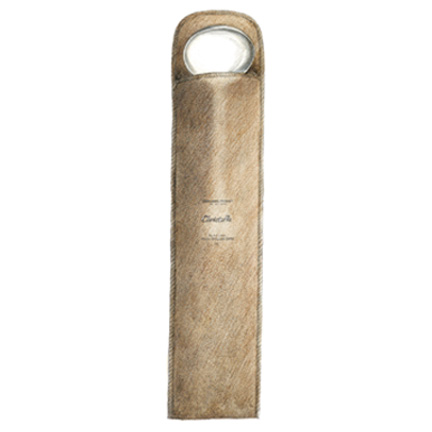
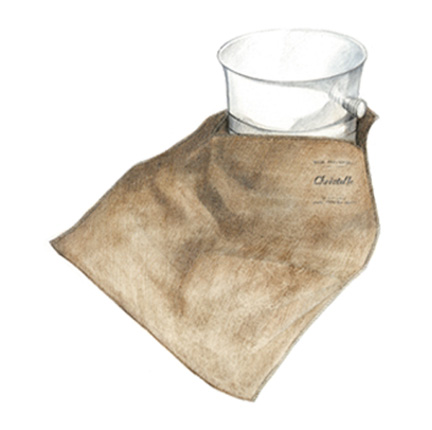

Have a favorite Christofle piece or collection? Let us know by leaving a comment below.
To see our complete collection of Christofle flatware, holloware, and gifts, please click here.
To view all Christofle silver care and storage solutions, please click here.
Why should I use a mattress pad?
A mattress pad is designed to lie on top of a mattress. It can have an elasticized skirt that is placed over and around a mattress, similar to a bottom fitted sheet. Or it can have anchor bands at the corners that keep it in place.
- Extra cushioning, so you experience the added softness of a pad while still enjoying the support of the mattress.
- An added layer of warmth between the mattress and your body (especially important in colder weather or in air-conditioned rooms).
- Acts as a buffer between the sheets and the mattress, to help protect against stains.
- Protects the mattress, especially the stitching along the seams.
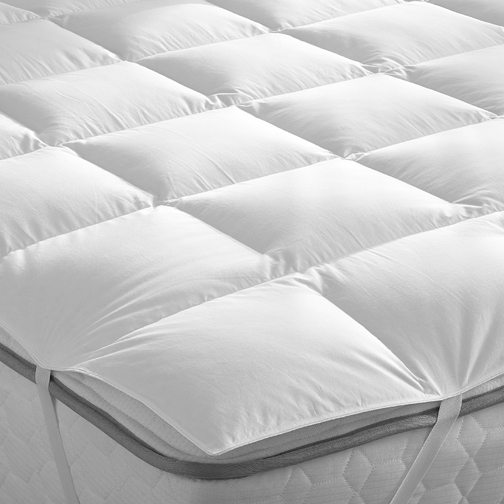
For the ultimate luxury, we love Downright‘s White Goose Down Mattress Pads, which offer both comfort and warmth.
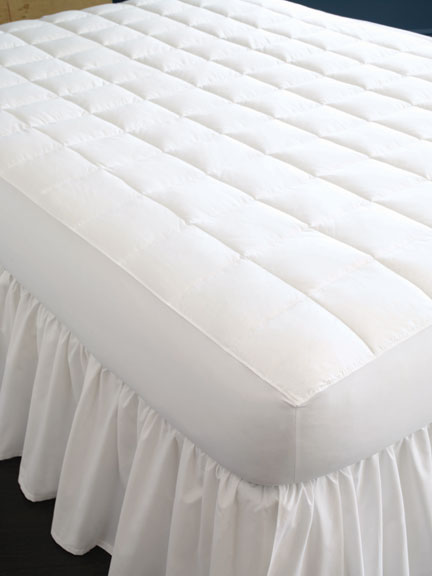
Or, if you are looking for an option without feathers, Sferra‘s Arcadia Hypoallergenic Down Alternative Mattress Pads use Pluma-Fil for that same soft, plush feel.
For more mattress pads, please click here.
Lighting Guide: Simple Tips for Lighting Any Room
Lighting is an important aspect of home design that often goes overlooked. It can make or break your environment, and create an atmosphere full of serenity and visual interest, or lead to feelings of stress and anxiety. Understanding how lighting works, and following some simple rules will not only enhance your decor, but will make every room feel more comfortable.

UNDERSTAND THE THREE TYPES OF LIGHTING
To maximize a room’s usefulness while adding beauty and drama, use all three:
-Ambient Lighting: Main source of light that illuminates the entire room, usually provided by a ceiling fixture.
-Task Lighting: Used for specific jobs like cooking, reading, or applying makeup.
-Accent Lighting: Brings drama and depth to a room, illuminates specific features like art, books, and architectural features.

LOCALIZE LIGHT SOURCES
-Avoid lighting an entire room with a single source, especially one overhead light, which leads to eye strain.
-Multiple points of diffused light that layer well with each other create the most visual interest.
-Use a variety of lamp heights to provide layered pools of light.

ALWAYS USE DIMMERS
-A single light source in the center of the room casts the same shadows throughout the day and night, creating tension. It’s more natural to have variations in light throughout the day.
-Reduce energy consumption and increase bulb life.
SCALE AND PROPORTION
Coordinate the size of table lamps with table height and furniture scale.
-A tall console table with a long piece of art above looks most appropriate with a tall, slender lamp.
-Low end-tables look great with shorter, more squat lamp designs.

Did you find this post illuminating? Begin personalizing your own space with our incredible selection of designer lighting.
What is the best way to care for your bed linens?
Caring for your bed linens can be easy if you follow some simple suggestions. In return, you will prolong the life of your bed linens and preserve their beautiful appearance. While we recommend always reading the care label on each item for best results, here are some other helpful tips that will keep your linens fresh and clean.
Washing – Prewash your linens before first use. Separate your linens from other items in the wash, especially those containing polyester, which tends to create pilling, and items with heavy zippers, which can damage the fabric. Separate light and dark colors. Avoid overloading the washing machine, which can cause fibers to break down from excessive abrasion and agitation. You can wash most linens in warm water on a gentle cycle with a cold-water rinse, but be sure to check the care label.
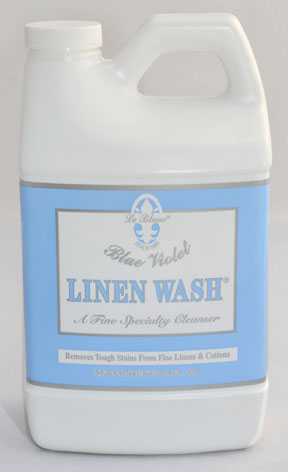
Detergent – Use a mild detergent without added bleach, whiteners, or fabric softeners. Do not pour detergent directly on textiles; rather, add it to the water as the wash tub fills or dilute detergent with water, then add linens. Unless linens are very soiled, you only need to use half the recommended amount of detergent. We love LeBlanc‘s Linen Wash in Blue Violet, which has a pH-balanced, bleach-free formula with a soft, floral scent.
Bleaching – Chlorine bleach will weaken fibers and cause the fabric to yellow. If white fabrics need bleaching, use an oxygen-based bleach.
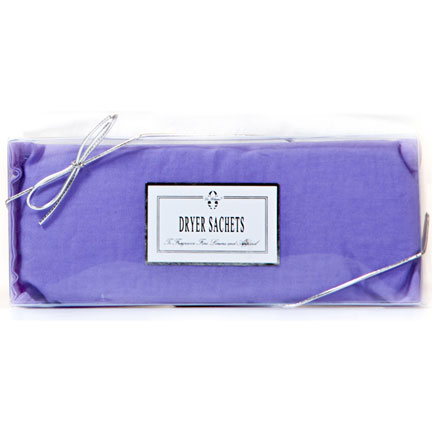
Drying – While line drying outdoors is gentle, safe, and imbues linens with the fresh scent of the outdoors and natural bleaching of the sun, it is not always practical. You can machine dry most linens on low heat, but be sure to check the care label. Shake out damp linens before placing in the dryer. Never use a high heat setting, which will weaken the fibers, damage the fabric, increase shrinkage, and shorten the life of your linens. Remove items from dryer promptly, while still damp, to minimize wrinkles. Smooth and fold, or press with an iron, if desired. For that natural, outdoor scent without the sunlight, try LeBlanc‘s Lavender Dryer Sachets for a subtle hint of fragrance.
Ironing – Check to make sure your steam iron is clean – mineral deposits could cause brown spotting. Iron linens while still damp. To restore the lustrous face of sateen fabrics, iron on the reverse side. For embroidered linens, iron them on the reverse side atop a towel to preserve the three-dimensional effect of the embroidery. Use a press cloth to protect delicate lace and cutwork.
Shrinkage – All natural fibers will shrink to some extent, but in most instances we generously overcut our products to allow for shrinkage. Do not wash or, especially, dry linens on a hot setting, which is most likely to damage the fabric and intensify shrinkage. Always follow instructions on care label.
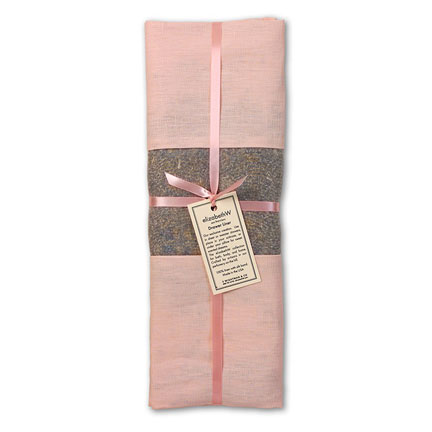
Storing Linens – Store bed linens in a cool, dry, well-ventilated area. Linens stored long term should be wrapped in white cotton, muslin (old pillow cases work well) or acid-free paper. Avoid storing linens in plastic bags or boxes, which can cause permanent yellowing; natural fibers need to breathe. Cedar chests can also yellow or streak fabrics. To keep your clean linens fragrant, we love elizabethW‘s Sachets and Drawer Liners.
For more from our Closet Shop, click here.
Is it OK to use chlorine bleach or fabric softener when I wash my fine linens?
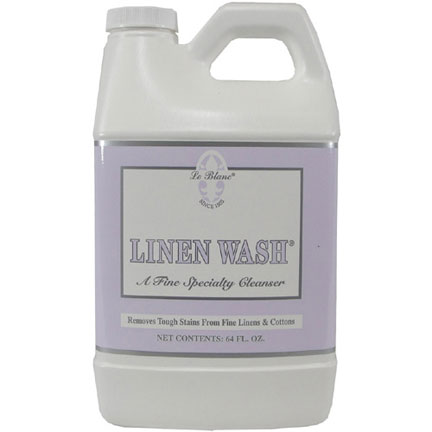
No. Chlorine bleach will cause fading and discoloration. In addition, it will break down and permanently weaken cotton and linen fibers. If necessary, we recommend using an oxygen-based bleach or better yet, a solution specially formulated to clean fine linens, such as Le Blanc’s Linen Wash.
Fabric softener is designed to coat fibers in oils, waxes and fragrances that might make the fabric feel soft, but the build-up of chemicals can damage the fabric over time. In addition, fabric softeners clog the pores of Egyptian cotton sheets, preventing them from breathing and decreasing the luster and gloss of the appearance. High quality Egyptian cotton linens do not need to be treated with fabric softener and, actually, with repeated washings and dryings, become softer naturally.
To view our Fabric Care selection, please click here.
Instant Makeover: Art at Your Feet
This dining room from the Winter 2013 issue of California Home + Design looks like a work of art. It features vintage Gio Ponti chairs, wall art made from 1970’s fabric design, and even a Tony Duquette Sunburst chandelier that was literally assembled one spear at a time:
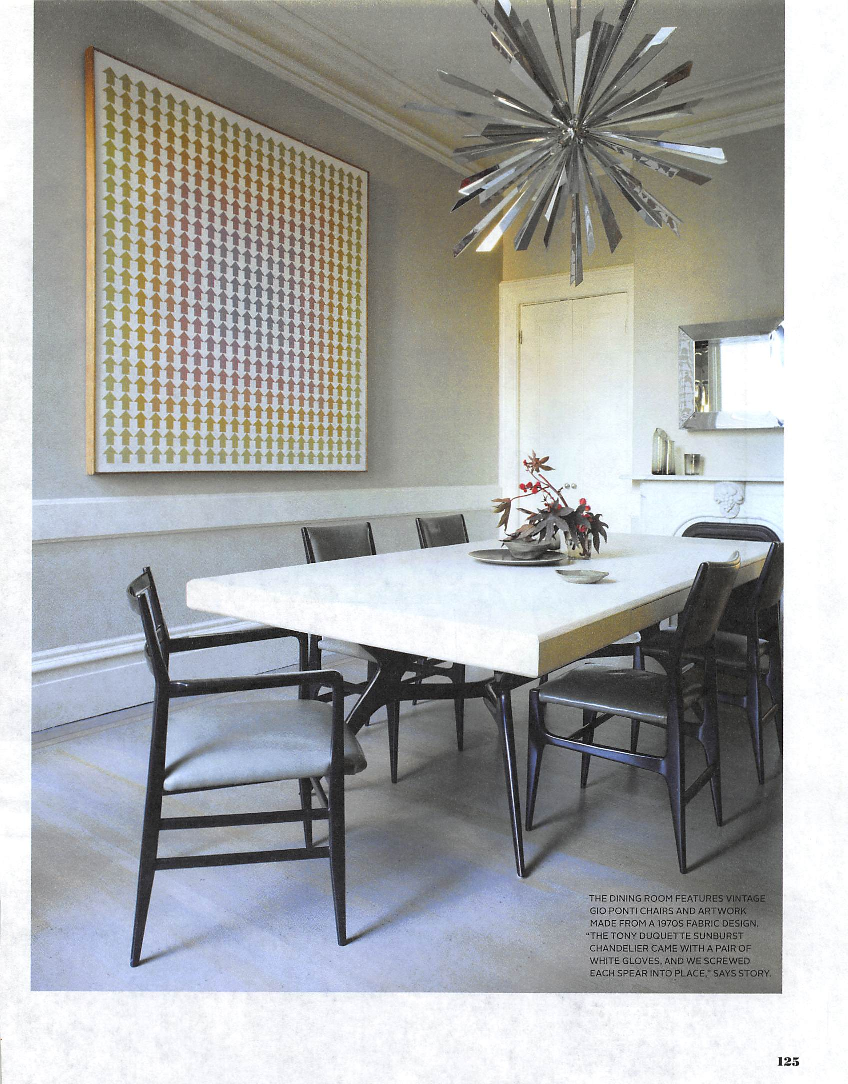
But am I the only one who thinks “Better not touch anything here”? A good room should not just be a museum, but a place where people feel comfortable. The right rug could do exactly that for this dining room: Enhance the decor of the room, while letting you kick off your shoes and savor the wine, dessert, and company.
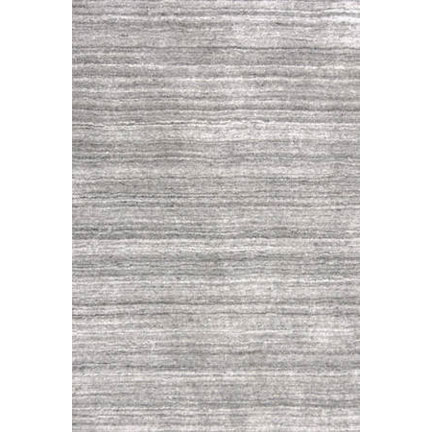
For example, Dash & Albert’s Icelandia Grey Hand Knotted Wool Rug is made from a soft tufted wool and has subtle gradations of grey to channel the modern and sophisticated look of the room:
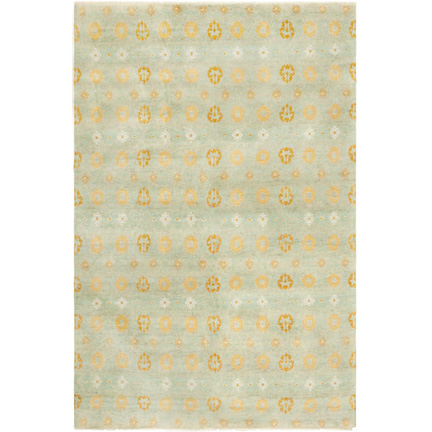
This Safavieh rug by David Easton has a geometric pattern and colors that play with the pattern and tones of the art on the wall:
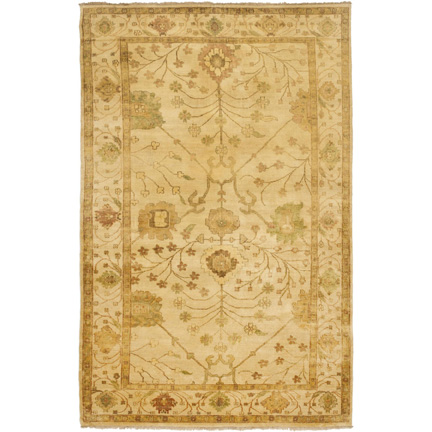
Finally, a Safavieh Oushak rug, like this one, could balance the room’s modernism with warmth and history:
Submit a suggestion for an Instant Makeover by commenting below or tweeting us @GraciousStyle.